
SRES 924 Re-checks Congress.gov for new actions and updates the bill's status, and fills in any sponsors, committees, or related bills that are missing. It does not re-pull sponsors/cosponsors/committees/related — those rarely change — and it skips all work if nothing has changed upstream, so it's cheap to click.
A resolution designating October 7, 2026, as "Energy Efficiency Day" in celebration of the economic and environmental benefits that have been driven by private sector innovation and Federal energy efficiency policies.
Designating October 7, 2026, as ``Energy Efficiency Day'' in celebration of the economic and environmental benefits that have been driven by private sector innovation and Federal energy efficiency policies.
Legislative subjects (2)
Summary
- Designates October 7, 2026, as "Energy Efficiency Day."
- Calls on the people of the United States to observe Energy Efficiency Day with appropriate programs, ceremonies, and activities.
- Recites that October is "National Energy Awareness Month" and lists federal energy efficiency laws enacted since the 1970s, including the Energy Policy and Conservation Act and the Infrastructure Investment and Jobs Act.
- States that more than 2,300,000 people are employed in the U.S. energy efficiency sector and that U.S. energy productivity has more than doubled since 1980.
AI-generated plain-language summary of the bill text — neutral, and may be imperfect. See the full text below for the exact wording.
Sponsor (1)
-
 Sen. Shaheen, Jeanne (D-NH)
20 cosponsors
-
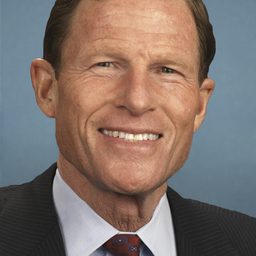 Sen. Blumenthal, Richard (D-CT)
-
 Sen. Blunt Rochester, Lisa (D-DE)
-
 Sen. Cantwell, Maria (D-WA)
-
 Sen. Collins, Susan M. (R-ME)
-
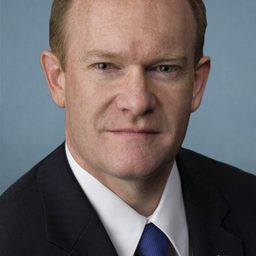 Sen. Coons, Christopher A. (D-DE)
-
 Sen. Durbin, Richard J. (D-IL)
-
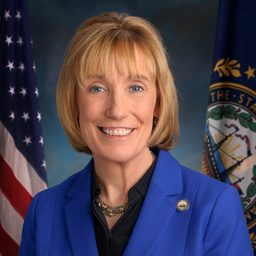 Sen. Hassan, Margaret Wood (D-NH)
-
 Sen. Hickenlooper, John W. (D-CO)
-
 Sen. Hirono, Mazie K. (D-HI)
-
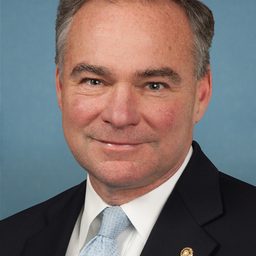 Sen. Kaine, Tim (D-VA)
-
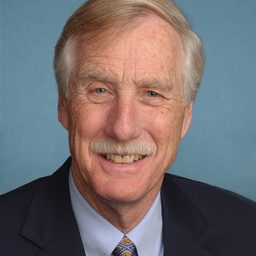 Sen. King, Angus S., Jr. (I-ME)
-
 Sen. Klobuchar, Amy (D-MN)
-
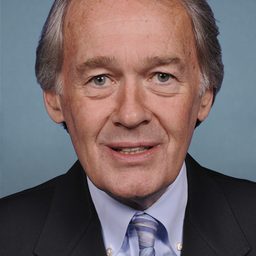 Sen. Markey, Edward J. (D-MA)
-
 Sen. Reed, Jack (D-RI)
-
 Sen. Smith, Tina (D-MN)
-
 Sen. Van Hollen, Chris (D-MD)
-
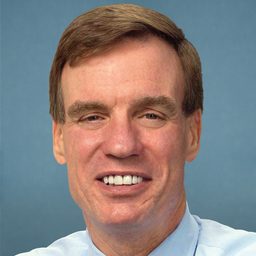 Sen. Warner, Mark R. (D-VA)
-
 Sen. Welch, Peter (D-VT)
-
 Sen. Whitehouse, Sheldon (D-RI)
-
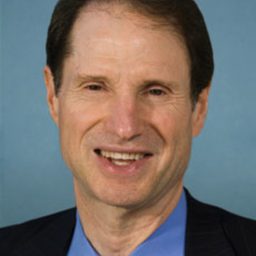 Sen. Wyden, Ron (D-OR)
Actions (2)
- Sep 29, 2026 Submitted in the Senate, considered, and agreed to without amendment and with a preamble by Unanimous Consent. (consideration: CR S5186; text: CR S5176-5177) · senate
- Sep 29, 2026 Passed/agreed to in Senate: Submitted in the Senate, considered, and agreed to without amendment and with a preamble by Unanimous Consent. (consideration: CR S5186; text: CR S5176-5177)
Full text
IN THE SENATE OF THE UNITED STATES
September 29, 2026
Mrs. Shaheen (for herself, Ms. Collins, Mr. Blumenthal, Ms. Blunt Rochester, Ms. Cantwell, Mr. Coons, Mr. Durbin, Ms. Hassan, Mr. Hickenlooper, Ms. Hirono, Mr. Kaine, Mr. King, Ms. Klobuchar, Mr. Markey, Mr. Reed, Ms. Smith, Mr. Van Hollen, Mr. Warner, Mr. Welch, Mr. Whitehouse, and Mr. Wyden) submitted the following resolution; which was considered and agreed to
RESOLUTION
Designating October 7, 2026, as “Energy Efficiency Day” in celebration of the economic and environmental benefits that have been driven by private sector innovation and Federal energy efficiency policies.
Whereas October has been designated as “National Energy Awareness Month”; Whereas improvements in energy efficiency technologies and practices, along with policies of the United States enacted since the 1970s, have resulted in energy savings of more than 80,000,000,000,000,000 British thermal units and energy cost avoidance of more than $1,000,000,000,000 annually; Whereas energy efficiency has enjoyed bipartisan support in Congress and in administrations of both parties for more than 50 years; Whereas bipartisan legislation enacted since the 1970s to advance Federal energy efficiency policies includes—
(1) the Energy Policy and Conservation Act (42 U.S.C. 6201 et seq.);
(2) the National Appliance Energy Conservation Act of 1987 (Public Law 100-12; 101 Stat. 103);
(3) the Energy Policy Act of 1992 (42 U.S.C. 13201 et seq.);
(4) the Energy Policy Act of 2005 (42 U.S.C. 15801 et seq.);
(5) the Energy Independence and Security Act of 2007 (42 U.S.C. 17001 et seq.);
(6) the Energy Efficiency Improvement Act of 2015 (Public Law 114-11; 129 Stat. 182);
(7) the Energy Act of 2020 (Public Law 116-260; 134 Stat. 2418); and
(8) the Infrastructure Investment and Jobs Act (Public Law 117-58; 135 Stat. 429);
Whereas energy efficiency has long been supported by a diverse coalition of businesses (including manufacturers, utilities, energy service companies, and technology firms), public interest organizations, environmental and conservation groups, and State and local governments; Whereas, since 1980, the United States has more than doubled its energy productivity, realizing twice the economic output per unit of energy consumed; Whereas more than 2,300,000 individuals in the United States are currently employed across the energy efficiency sector, as the United States has doubled its energy productivity, and business and industry have become more innovative and competitive in global markets; Whereas the Department of Energy is the principal Federal agency responsible for renewable energy technologies and energy efficiency efforts; Whereas cutting energy waste saves the consumers of the United States billions of dollars on utility bills annually; and Whereas energy efficiency policies, financing innovations, and public-private partnerships have contributed to a reduction in energy intensity in Federal facilities by nearly 50 percent since the mid-1970s, which results in direct savings to United States taxpayers: Now, therefore, be it Resolved, That the Senate—
(1) designates October 7, 2026, as “Energy Efficiency Day”; and
(2) calls on the people of the United States to observe Energy Efficiency Day with appropriate programs, ceremonies, and activities. <all>
Text versions (1)
Bills are re-published as they move (Introduced → Reported → Engrossed → Enrolled …). Each stage below is a separate text; pick two to see what changed. Data from Congress.gov.
More bills on these subjects (8)
Other bills that carry the most legislative subjects in common with this one (topical discovery — distinct from the procedural related bills above).
Comments