
HB 20 TX
Relating to measures to prevent and reduce fraudulent charitable solicitations and theft during declared disasters, including establishing a designation program for disaster relief nonprofit organizations and financial institutions; creating a criminal offense; increasing a criminal penalty.
A state bill is a proposed law in a state legislature — separate from the U.S. Congress. Learn more →
Summary
HB 20, the Disaster Scam Response Act, has five parts. It directs the Texas Division of Emergency Management and the attorney general's consumer protection division to publish educational materials on identifying fraudulent charitable solicitations during disasters, and it creates a voluntary accreditation program run by the attorney general for nonprofits that accept donations for disaster relief, with a public registry, an approved seal, rules on eligibility and reporting, and a fraud hotline during declared disasters. It allows state and local agencies to consider accreditation status when evaluating nonprofits' applications for state disaster-related money, and bars them from blocking volunteer efforts solely because a nonprofit lacks accreditation. It creates a new Penal Code offense, malicious solicitation of disaster victims or for disaster response or recovery, which is a third-degree felony for a first offense and a second-degree felony for later offenses, rising to a first-degree felony in certain cases, and it adds a disaster-area definition and a higher penalty tier to theft of property taken in a disaster area by a person claiming disaster-volunteer status. The bill also creates a civil cause of action under which donees and donors harmed by such solicitation may recover 300 percent of the amounts collected plus attorney's fees, and it takes effect on the 91st day after the last day of the legislative session.
AI-generated plain-language summary of the bill text — neutral, and may be imperfect. See the full text below for the exact wording.
Sponsors (6)
-
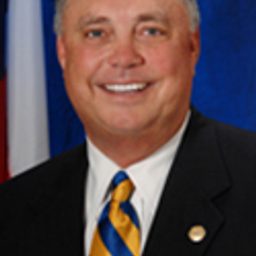 Darby Republican · primary
-
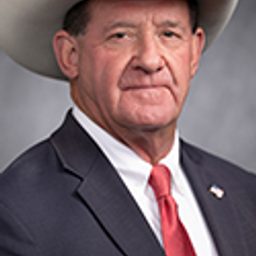 Louderback Republican · primary
-
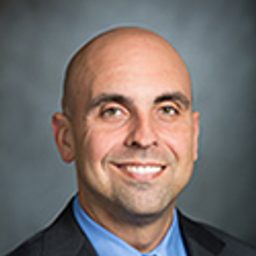 Martinez Democratic · primary
-
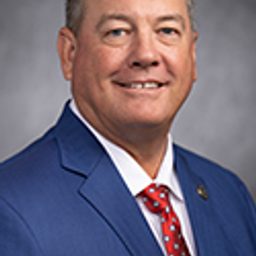 Barry Republican · primary
-
 McQueeney Republican · primary
-
 Perry Republican · primary
88 coauthors / cosponsors
-
 Alders Republican · cosponsor
-
 Allen Democratic · cosponsor
-
 Anchía Democratic · cosponsor
-
 Ashby Republican · cosponsor
-
 Bell, Cecil Republican · cosponsor
-
 Bell, Keith Republican · cosponsor
-
 Bhojani Democratic · cosponsor
-
 Bonnen Republican · cosponsor
-
 Buckley Republican · cosponsor
-
 Bumgarner Republican · cosponsor
-
 Button Republican · cosponsor
-
 Cain Republican · cosponsor
-
 Canales Democratic · cosponsor
-
 Capriglione Republican · cosponsor
- Cook · cosponsor
-
 Craddick Republican · cosponsor
-
 Cunningham Republican · cosponsor
-
 Curry Republican · cosponsor
-
 Dean Republican · cosponsor
-
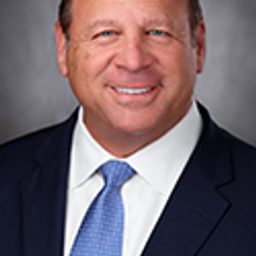 DeAyala Republican · cosponsor
-
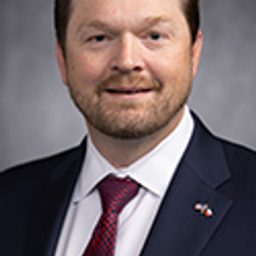 Dyson Republican · cosponsor
-
 Gámez Democratic · cosponsor
-
 Garcia Hernandez, Cassandra Democratic · cosponsor
-
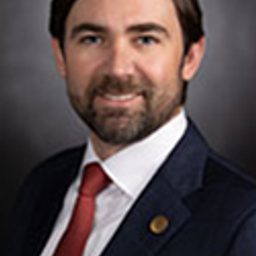 Gerdes Republican · cosponsor
-
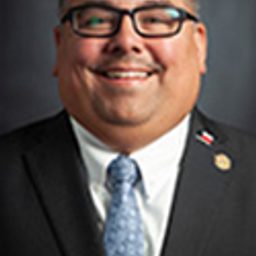 Guillen Republican · cosponsor
-
 Harless Republican · cosponsor
-
 Harris Republican · cosponsor
-
 Harris Davila Republican · cosponsor
-
 Hayes Republican · cosponsor
-
 Hickland Republican · cosponsor
-
 Howard Democratic · cosponsor
-
 Hull Republican · cosponsor
-
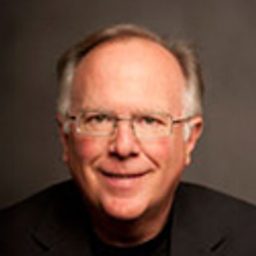 Hunter Republican · cosponsor
- Johnson · cosponsor
-
 Kerwin Republican · cosponsor
-
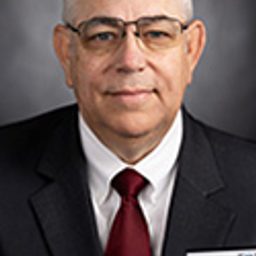 Kitzman Republican · cosponsor
-
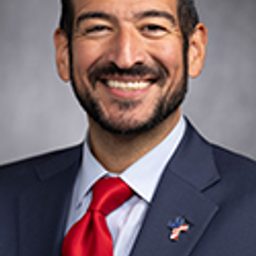 LaHood Republican · cosponsor
-
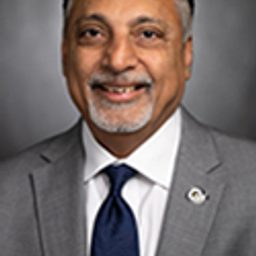 Lalani Democratic · cosponsor
-
 Lambert Republican · cosponsor
-
 Landgraf Republican · cosponsor
-
 Leach Republican · cosponsor
-
 Leo Wilson Republican · cosponsor
-
 Lopez, Janie Republican · cosponsor
-
 Lujan Republican · cosponsor
-
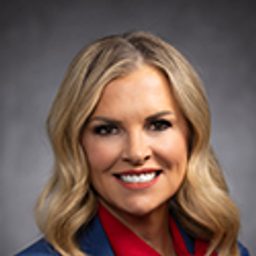 Luther Republican · cosponsor
-
 Manuel Democratic · cosponsor
-
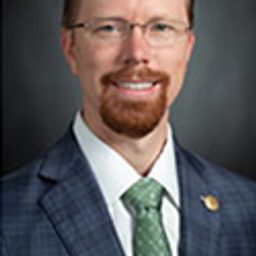 Metcalf Republican · cosponsor
-
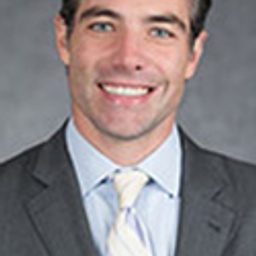 Meyer Republican · cosponsor
-
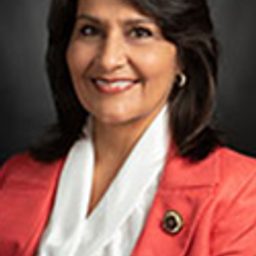 Morales Shaw Democratic · cosponsor
-
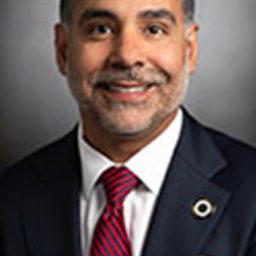 Morales, Eddie Democratic · cosponsor
-
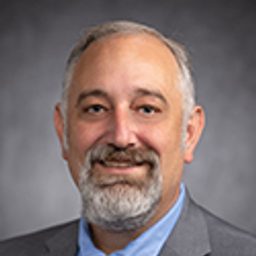 Morgan Republican · cosponsor
-
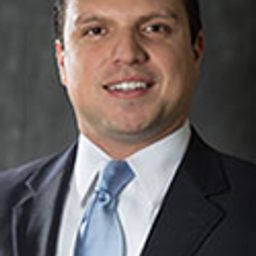 Muñoz Democratic · cosponsor
-
 Noble Republican · cosponsor
-
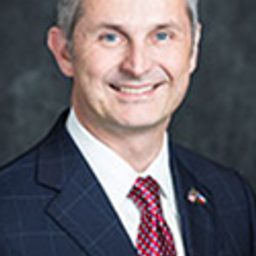 Oliverson Republican · cosponsor
-
 Orr Republican · cosponsor
-
 Paul Republican · cosponsor
-
 Pierson Republican · cosponsor
- Plesa · cosponsor
-
 Raymond Democratic · cosponsor
-
 Reynolds Democratic · cosponsor
-
 Romero Democratic · cosponsor
-
 Schatzline Republican · cosponsor
-
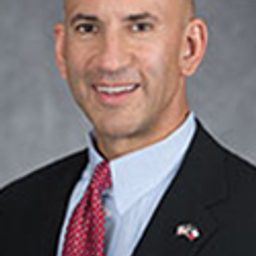 Shaheen Republican · cosponsor
-
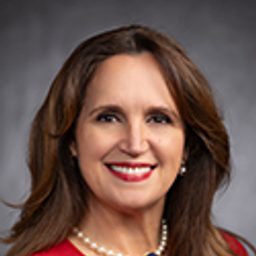 Shofner Republican · cosponsor
-
 Slawson Republican · cosponsor
-
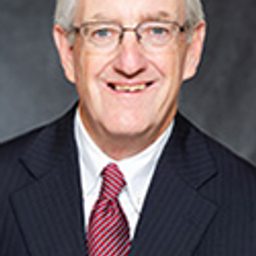 Smithee Republican · cosponsor
-
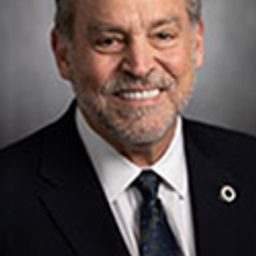 Spiller Republican · cosponsor
-
 Swanson Republican · cosponsor
-
 Thompson Democratic · cosponsor
-
 Toth Republican · cosponsor
-
 Turner Democratic · cosponsor
-
 VanDeaver Republican · cosponsor
-
 Vasut Republican · cosponsor
-
 Villalobos Republican · cosponsor
-
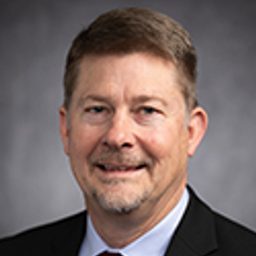 Wharton Republican · cosponsor
-
 Wilson Republican · cosponsor
-
 Zwiener Democratic · cosponsor
-
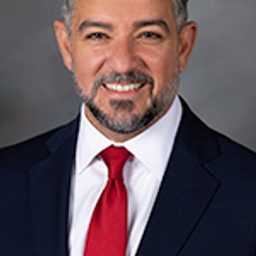 Blanco Democratic · cosponsor
-
 Campbell Republican · cosponsor
-
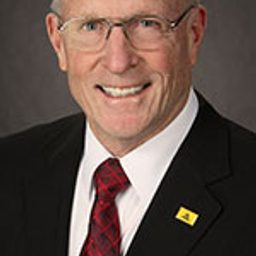 Hall Republican · cosponsor
-
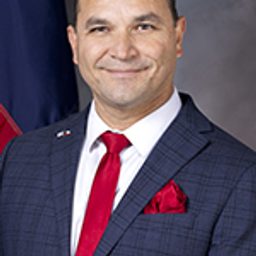 Hinojosa, Adam Republican · cosponsor
-
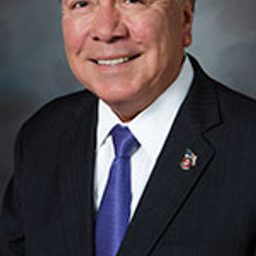 Hinojosa, Juan "Chuy" Democratic · cosponsor
- Johnson · cosponsor
- King · cosponsor
-
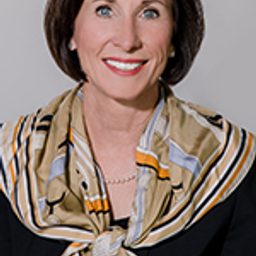 Kolkhorst Republican · cosponsor
-
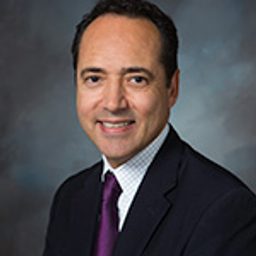 Menéndez Democratic · cosponsor
-
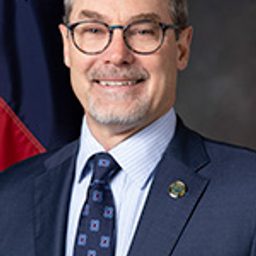 Sparks Republican · cosponsor
-
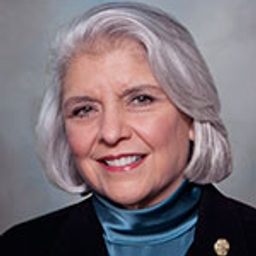 Zaffirini Democratic · cosponsor
Action history (55)
- Aug 15, 2025 Filed · lower
- Aug 18, 2025 Read first time · lower
- Aug 18, 2025 Referred to Disaster Preparedness & Flooding · lower
- Aug 18, 2025 Considered in formal meeting · lower
- Aug 18, 2025 Reported favorably w/o amendment(s) · lower
- Aug 18, 2025 Comte report filed with Committee Coordinator · lower
- Aug 18, 2025 Committee report distributed · lower
- Aug 19, 2025 Committee report sent to Calendars · lower
- Aug 20, 2025 Considered in Calendars · lower
- Aug 21, 2025 Placed on Major State Calendar · lower
- Aug 21, 2025 Read 2nd time · lower
- Aug 21, 2025 Amended · lower
- Aug 21, 2025 Amended · lower
- Aug 21, 2025 Passed to engrossment as amended · lower
- Aug 21, 2025 Record vote · lower
- Aug 21, 2025 Read 3rd time · lower
- Aug 21, 2025 Passed · lower
- Aug 21, 2025 Record vote · lower
- Aug 21, 2025 Statement(s) of vote recorded in Journal · lower
- Aug 21, 2025 Reason for vote recorded in Journal · lower
- Aug 21, 2025 Reported engrossed · lower
- Aug 21, 2025 Received from the House · upper
- Aug 22, 2025 Read first time · upper
- Aug 22, 2025 Referred to Disaster Preparedness & Flooding, Select · upper
- Sep 2, 2025 Co-sponsor authorized · upper
- Sep 2, 2025 Posting rule suspended · upper
- Sep 2, 2025 Ordered not printed · upper
- Sep 2, 2025 Scheduled for public hearing on . . . · upper
- Sep 2, 2025 Considered in public hearing · upper
- Sep 2, 2025 Vote taken in committee · upper
- Sep 3, 2025 Co-sponsor authorized · upper
- Sep 3, 2025 Reported favorably as substituted · upper
- Sep 3, 2025 Committee report printed and distributed · upper
- Sep 3, 2025 Rules suspended-Regular order of business · upper
- Sep 3, 2025 Read 2nd time & passed to 3rd reading · upper
- Sep 3, 2025 Vote recorded in Journal · upper
- Sep 3, 2025 Three day rule suspended · upper
- Sep 3, 2025 Record vote · upper
- Sep 3, 2025 Read 3rd time · upper
- Sep 3, 2025 Passed · upper
- Sep 3, 2025 Record vote · upper
- Sep 3, 2025 Senate passage as amended reported · lower
- Sep 3, 2025 Senate Amendments distributed · lower
- Sep 3, 2025 Senate Amendments Analysis distributed · lower
- Sep 3, 2025 House concurs in Senate amendment(s) · lower
- Sep 3, 2025 Record vote · lower
- Sep 3, 2025 Statement(s) of vote recorded in Journal · lower
- Sep 3, 2025 Text of Senate Amendment(s) · lower
- Sep 3, 2025 House concurs in Senate amendment(s)-reported · upper
- Sep 4, 2025 Reported enrolled · lower
- Sep 4, 2025 Signed in the House · lower
- Sep 4, 2025 Signed in the Senate · upper
- Sep 4, 2025 Sent to the Governor · executive
- Sep 17, 2025 Signed by the Governor · executive
- Sep 17, 2025 Effective on . . . . . . . . . . . . . . . · executive
Text versions (10)
The published texts of this bill as it moves through the legislature. Each links to the official document on the state legislature site. Data from OpenStates.
Full text
Full text imported from capitol.texas.gov
  89S20167 SCF-D
 
 
By: Darby H.B. No. 20


A BILL TO BE ENTITLED
 
AN ACT
 
relating to certain measures to prevent and reduce fraudulent
 
charitable solicitations and theft during disasters, including
 
establishing a voluntary accreditation program for disaster relief
 
organizations; creating a criminal offense; increasing a criminal
 
penalty; providing a civil cause of action.
 
       BE IT ENACTED BY THE LEGISLATURE OF THE STATE OF TEXAS:
 
ARTICLE 1. SHORT TITLE
 
       SECTION 1.01.  This Act shall be known as the Disaster Scam
 
Response Act.
 
ARTICLE 2. CONSUMER PROTECTION
 
       SECTION 2.01.  Subchapter C, Chapter 418, Government Code,
 
is amended by adding Section 418.0431 to read as follows:
 
        Sec.   418.0431.     EDUCATIONAL MATERIALS ON IDENTIFYING AND
 
AVOIDING FRAUDULENT CHARITABLE SOLICITATIONS. The division, in
 
consultation with the consumer protection division of the attorney
 
general's office, shall create and make available to the public on
 
the respective agencies' Internet websites educational materials
 
regarding identifying and avoiding fraudulent charitable
 
solicitations during a disaster.
 
       SECTION 2.02.  Chapter 418, Government Code, is amended by
 
adding Subchapter L to read as follows:
 
SUBCHAPTER L.   VOLUNTARY ACCREDITATION OF DISASTER RELIEF
 
ORGANIZATIONS; FRAUD HOTLINE
 
        Sec. 418.401.  DEFINITIONS. In this subchapter:
 
              (1)     "Accreditation" means the accreditation issued to
 
a disaster relief organization under this subchapter.
 
              (2)     "Accreditation program" means the accreditation
 
program established under this subchapter.
 
              (3)  "Declared disaster" means:
 
                    (A)     a disaster declared by the president of the
 
United States;
 
                    (B)     a state of disaster declared by the governor
 
under Section 418.014; or
 
                    (C)     a local state of disaster declared by the
 
presiding officer of the governing body of a political subdivision
 
under Section 418.108.
 
        Sec.   418.402.     VOLUNTARY ACCREDITATION PROGRAM FOR DISASTER
 
RELIEF ORGANIZATIONS. (a) The attorney general, in consultation
 
with the division, shall establish and administer an accreditation
 
program for nonprofit organizations that solicit and accept
 
donations to provide disaster relief services during a declared
 
disaster. The purpose of the accreditation program is to assist the
 
public in identifying reputable nonprofit organizations to which
 
the public may donate to support disaster relief efforts.
 
        (b)     Participation in the accreditation program is
 
voluntary. A nonprofit organization is not required to obtain
 
accreditation under the program to solicit or accept donations in
 
response to a declared disaster.
 
        Sec.   418.403.     ELIGIBILITY FOR ACCREDITATION. (a)   The
 
attorney general, in consultation with the division, shall by rule
 
establish:
 
              (1)     eligibility criteria that a nonprofit
 
organization must meet and maintain to qualify for an
 
accreditation;
 
              (2)     procedures for evaluating accreditation
 
applications; and
 
              (3)     procedures for renewal and revocation of
 
accreditations.
 
        (b)     The attorney general may also consult with the emergency
 
management council for purposes of adopting rules under this
 
section.
 
        Sec.   418.404.     APPLICATION FOR ACCREDITATION. A nonprofit
 
organization may apply for an accreditation in the form and manner
 
prescribed by the attorney general.
 
        Sec.   418.405.     PUBLIC REGISTRY; SEAL.   (a)   The attorney
 
general shall maintain and regularly update a public registry of
 
nonprofit organizations accredited under this subchapter on the
 
attorney general's Internet website.
 
        (b)     The attorney general shall prescribe and approve a seal
 
that may be used and displayed by a nonprofit organization
 
accredited under this subchapter.
 
        Sec.   418.406.     CONSIDERATION OF ACCREDITATION STATUS IN
 
CERTAIN APPLICATIONS FOR STATE MONEY. Notwithstanding any other
 
law, a state or local government entity administering a grant or
 
other program that provides state money to support mitigation,
 
preparedness, response, recovery, or other relief efforts in
 
response to a declared disaster may consider a nonprofit
 
organization's accreditation status under this subchapter when
 
evaluating the organization's application for state money under the
 
grant or other program.
 
        Sec.   418.407.     TRANSPARENCY AND REPORTING. The attorney
 
general, in consultation with the division, shall by rule establish
 
reporting and transparency standards for nonprofit organizations
 
accredited under this subchapter.
 
        Sec.   418.408.     VOLUNTEER EFFORTS. A state or local
 
government entity may not prohibit or otherwise prevent volunteer
 
efforts during a declared disaster based solely on a nonprofit
 
organization's lack of accreditation under this subchapter.
 
        Sec.   418.409.     FRAUD HOTLINE. The attorney general shall
 
operate a telephone hotline during each declared disaster for
 
submission of reports of a suspected:
 
              (1)     fraudulent Internet website or nonprofit
 
organization soliciting charitable donations; and
 
              (2)     offense under Section 31.03(e)(4)(H) or 32.61,
 
Penal Code.
 
       SECTION 2.03.  As soon as practicable after the effective
 
date of this Act, the attorney general, in consultation with the
 
Texas Division of Emergency Management, shall adopt rules to
 
implement Subchapter L, Chapter 418, Government Code, as added by
 
this article.
 
ARTICLE 3. CRIMINAL PENALTIES FOR DISASTER SCAMS
 
       SECTION 3.01.  Section 31.03, Penal Code, is amended by
 
amending Subsection (e) and adding Subsection (f-3) to read as
 
follows:
 
       (e)  Except as otherwise provided by this section
 
[ Subsections (f) and (f-1) ], an offense under this section is:
 
             (1)  a Class C misdemeanor if the value of the property
 
stolen is less than $100;
 
             (2)  a Class B misdemeanor if:
 
                   (A)  the value of the property stolen is $100 or
 
more but less than $750;
 
                   (B)  the value of the property stolen is less than
 
$100 and the defendant has previously been convicted of any grade of
 
theft; or
 
                   (C)  the property stolen is a driver's license,
 
commercial driver's license, or personal identification
 
certificate issued by this state or another state;
 
             (3)  a Class A misdemeanor if the value of the property
 
stolen is $750 or more but less than $2,500;
 
             (4)  a state jail felony if:
 
                   (A)  the value of the property stolen is $2,500 or
 
more but less than $30,000, or the property is less than 10 head of
 
sheep, swine, or goats or any part thereof under the value of
 
$30,000;
 
                   (B)  regardless of value, the property is stolen
 
from the person of another or from a human corpse or grave,
 
including property that is a military grave marker;
 
                   (C)  the property stolen is a firearm;
 
                   (D)  the value of the property stolen is less than
 
$2,500 and the defendant has been previously convicted two or more
 
times of any grade of theft;
 
                   (E)  the property stolen is an official ballot or
 
official carrier envelope for an election;
 
                   (F)  the value of the property stolen is less than
 
$20,000 and the property stolen is:
 
                         (i)  aluminum;
 
                         (ii)  bronze;
 
                         (iii)  copper; or
 
                         (iv)  brass; [ or ]
 
                   (G)  the cost of replacing the property stolen is
 
less than $30,000 and the property stolen is a catalytic converter;
 
or
 
                    (H)     the value of the property stolen is less than
 
$30,000 and the property was stolen in a disaster area and came into
 
the actor's custody, possession, or control by virtue of the actor's
 
status or purported status as a disaster volunteer, as that term is
 
defined by Section 32.61;
 
             (5)  a felony of the third degree if the value of the
 
property stolen is $30,000 or more but less than $150,000, or the
 
property is:
 
                   (A)  cattle, horses, or exotic livestock or exotic
 
fowl as defined by Section 142.001, Agriculture Code, stolen during
 
a single transaction and having an aggregate value of less than
 
$150,000;
 
                   (B)  10 or more head of sheep, swine, or goats
 
stolen during a single transaction and having an aggregate value of
 
less than $150,000; or
 
                   (C)  a controlled substance, having a value of
 
less than $150,000, if stolen from:
 
                         (i)  a commercial building in which a
 
controlled substance is generally stored, including a pharmacy,
 
clinic, hospital, nursing facility, or warehouse; or
 
                         (ii)  a vehicle owned or operated by a
 
wholesale distributor of prescription drugs;
 
             (6)  a felony of the second degree if:
 
                   (A)  the value of the property stolen is $150,000
 
or more but less than $300,000; or
 
                   (B)  the value of the property stolen is less than
 
$300,000 and the property stolen is an automated teller machine or
 
the contents or components of an automated teller machine; or
 
             (7)  a felony of the first degree if the value of the
 
property stolen is $300,000 or more.
 
        (f-3)     The increase in the punishment provided by Section
 
12.50 for an offense under this section does not apply if the
 
penalty described by Subsection (e)(4)(H) applies.
 
       SECTION 3.02.  Section 31.03(h), Penal Code, is amended by
 
adding Subdivision (9) to read as follows:
 
              (9)     "Disaster area" is an area that was, at the time of
 
the offense:
 
                    (A)  subject to a disaster declaration issued by:
 
                          (i)     the president of the United States
 
under the Robert T. Stafford Disaster Relief and Emergency
 
Assistance Act (42 U.S.C. Section 5121 et seq.);
 
                          (ii)     the governor under Section 418.014,
 
Government Code; or
 
                          (iii)     the presiding officer of the
 
governing body of a political subdivision under Section 418.108,
 
Government Code; or
 
                    (B)  subject to an emergency evacuation order.
 
       SECTION 3.03.  Subchapter D, Chapter 32, Penal Code, is
 
amended by adding Section 32.61 to read as follows:
 
        Sec.   32.61.     MALICIOUS SOLICITATION OF DISASTER VICTIM OR
 
FOR DISASTER RESPONSE OR RECOVERY. (a)   In this section:
 
              (1)     "Disaster" has the meaning assigned by Section
 
418.004, Government Code.
 
              (2)     "Disaster volunteer" means a person who provides
 
or offers to provide a service at no cost to or at the direction of:
 
                    (A)  a victim of a disaster; or
 
                    (B)     a governmental entity engaged in disaster
 
response or recovery.
 
              (3)     "Relative" has the meaning assigned by Section
 
20.01.
 
              (4)     "Victim of a disaster" means a person who has
 
suffered harm as a result of a disaster.
 
        (b)     A person commits an offense if the person, with the
 
intent to defraud or harm any person:
 
              (1)     solicits a donation from another person while
 
inducing the other person to believe that the donation will be used
 
for disaster response or recovery, regardless of the manner of
 
solicitation;
 
              (2)     solicits donations on behalf of a donee with the
 
intent to retain the donations instead of delivering the donations
 
to the donee on whose behalf the donations were solicited;
 
              (3)     solicits payment from a victim of a disaster
 
after:
 
                    (A)     providing services to the victim that are
 
related to disaster response or recovery, including debris removal
 
or transportation; and
 
                    (B)  inducing the victim to believe that:
 
                          (i)  the person is a disaster volunteer; and
 
                          (ii)     the services described by Paragraph
 
(A) would be provided at no cost to the victim; or
 
              (4)     solicits payment from a victim of a disaster while
 
inducing the victim to believe that the actor will search for or
 
return to the victim a relative who is believed to be missing as a
 
result of the disaster.
 
        (c)  An offense under Subsection (b)(1), (2), or (3) is:
 
              (1)     for a first offense, a felony of the third degree;
 
or
 
              (2)     for a second or subsequent offense, a felony of the
 
second degree.
 
        (d)     Notwithstanding Subsection (c), an offense under
 
Subsection (b)(1), (2), or (3) is a felony of the first degree if
 
the person fabricated an accreditation seal described by Section
 
418.405, Government Code.
 
        (e)     An offense under Subsection (b)(4) is a felony of the
 
first degree.
 
        (f)     If conduct that constitutes an offense under this
 
section also constitutes an offense under any other law, the actor
 
may be prosecuted under this section or the other law, or both.
 
       SECTION 3.04.  Section 31.03, Penal Code, as amended by this
 
article, applies only to an offense committed on or after the
 
effective date of this Act. An offense committed before the
 
effective date of this Act is governed by the law in effect on the
 
date the offense was committed, and the former law is continued in
 
effect for that purpose. For purposes of this section, an offense
 
was committed before the effective date of this Act if any element
 
of the offense occurred before that date.
 
ARTICLE 4. CIVIL LIABILITY FOR MALICIOUS SOLICITATION DURING
 
DISASTER
 
       SECTION 4.01.  Title 4, Civil Practice and Remedies Code, is
 
amended by adding Chapter 100D to read as follows:
 
CHAPTER 100D. LIABILITY FOR MALICIOUS SOLICITATION DURING DISASTER
 
        Sec.   100D.001.     DEFINITION. In this chapter, "malicious
 
solicitation during a disaster" means conduct that constitutes an
 
offense under Section 32.61, Penal Code.
 
        Sec.   100D.002.     LIABILITY. A person who engages in
 
malicious solicitation during a disaster is liable to the donee on
 
whose behalf the payment was collected, the donee's estate, the
 
donor from whom the payment was solicited, or the donor's estate.
 
        Sec.   100D.003.     DAMAGES. (a) A court shall award a donee or
 
donee's estate who prevails in an action brought under this
 
chapter:
 
              (1)     300 percent of the amount of donations the
 
defendant collected on behalf of the donee; and
 
              (2)  reasonable and necessary attorney's fees.
 
        (b)     A court shall award a donor or a donor's estate who
 
prevails in an action brought under this chapter:
 
              (1)     300 percent of the amount of donations the
 
defendant collected from the donor; and
 
              (2)  reasonable and necessary attorney's fees.
 
        (c)     Nothing in this section prevents a donee, donee's
 
estate, donor, or donor's estate from pursuing a claim for
 
exemplary damages under Chapter 41 for the defendant's malicious
 
solicitation during a disaster.
 
       SECTION 4.02.  Chapter 100D, Civil Practice and Remedies
 
Code, as added by this article, applies only to a cause of action
 
that accrues on or after the effective date of this Act.
 
ARTICLE 5. EFFECTIVE DATE
 
       SECTION 5.01.  This Act takes effect on the 91st day after
 
the last day of the legislative session.
Comments
Data from OpenStates. View on OpenStates →
Comments