
LR 480 NE
Interim study to examine how public resources for youth development programming are currently distributed across Nebraska, identify gaps in availability and access, particularly in rural areas and communities with fewer resources, and develop recommendations for ensuring those resources work more efficiently and effectively for youth, families, and communities
A state bill is a proposed law in a state legislature — separate from the U.S. Congress. Learn more →
Summary
This legislative resolution would direct the Nebraska Legislature's Education Committee to conduct an interim study of public resources for youth development programming. The study would map state and federal funding streams for these programs, assess their availability and geographic distribution, identify gaps between demand and capacity, and review how these programs affect working families, employers, and local economies. It would also review practices in other states, evaluate ways to coordinate funding streams, and recommend a framework for public investment in these programs. The committee would report its findings and recommendations to the Legislative Council or the Legislature when the study concludes. The resolution's preamble cites figures on afterschool program enrollment and youth waiting for mentors as background for the study.
AI-generated plain-language summary of the bill text — neutral, and may be imperfect. See the full text below for the exact wording.
Sponsor (1)
-
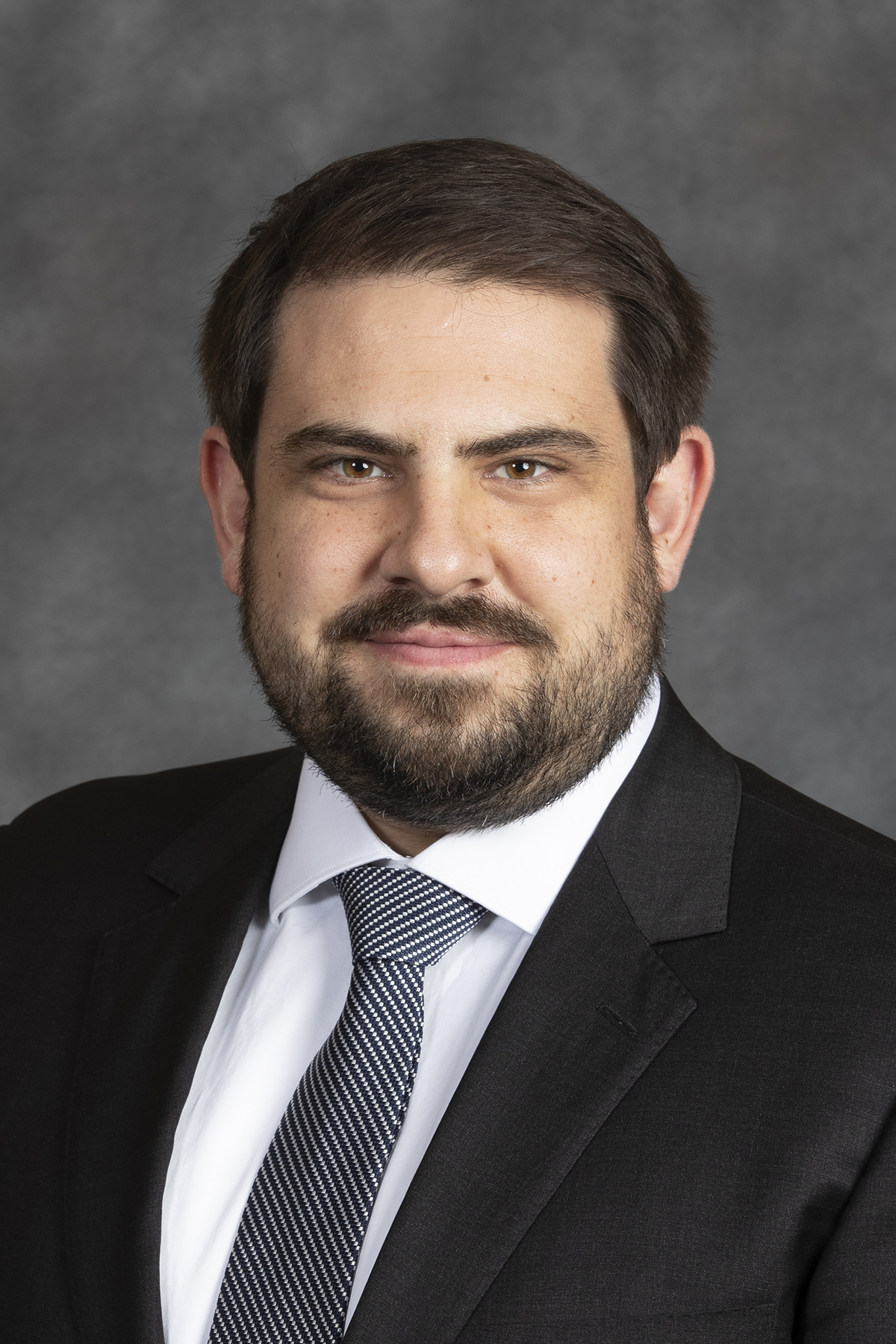 Bostar N · primary
Action history (4)
- Sep 21, 2026 Notice of hearing for October 28, 2026 · legislature
- Mar 30, 2026 Referred to Education Committee · legislature
- Mar 25, 2026 Referred to Executive Board · legislature
- Mar 25, 2026 Date of introduction · legislature
Text versions (1)
Full text
Full text imported from nebraskalegislature.gov
LR480 2026
LR480 2026 ONE HUNDRED NINTH LEGISLATURE SECOND SESSION
LEGISLATIVE RESOLUTION 480
Introduced by Bostar, 29. PURPOSE:
The purpose of this resolution is to propose an interim study to
examine how public resources for youth development programming are currently distributed
across
Nebraska,
identify
gaps
in
availability
and
access,
particularly in rural areas and communities with fewer resources, and develop recommendations
for
ensuring
those
resources
work
more
efficiently
and
effectively for youth, families, and communities. In many Nebraska communities, the demand for quality youth development programming far outpaces current availability, leaving working families without reliable options for keeping children safe and supported during out-of-school hours. Nebraska parents of 144,606 children want afterschool programs, yet only 28,828 children are currently enrolled, meaning 4 in 5 Nebraska children cannot access these programs. An additional 1,431 Nebraska youth are currently waiting for a mentor. Without a clearer understanding of how existing public resources are being deployed, this gap will intensify, turning today's shortage into tomorrow's crisis. Current
resources
directed
towards
youth
development
programming
are
distributed across multiple funding streams without a comprehensive picture of where they are going, which communities they are reaching, and where critical gaps remain. The study shall include, but not be limited to, the following: (1) Mapping existing state and federal funding streams directed toward youth development programming, including funding administered through the State Department of Education, the Nebraska Department of Health and Human Services, and the Nebraska Department of Economic Development, and collaborating with organizations
already
engaged
in
fiscal -1-
mapping
or
resource
distribution
LR480 2026
LR480 2026
analysis to avoid duplication and leverage work currently underway; (2)
Assessing
the
availability
and
geographic
distribution
of
youth
development programs across Nebraska; (3) Identifying gaps between the demand for youth development programming and current program capacity, including the number of youth on waitlists or in communities without available programs; (4)
Examining
programming
on
the
working
impact
of
families,
accessible, local
quality
employers,
and
youth
development
community
economic
vitality; (5) Reviewing best practices from other states regarding public investment in youth development programming and strategies for maximizing the impact of limited public resources; (6)
Evaluating
opportunities
to
better
align
and
coordinate
existing
funding streams to reduce duplication and improve outcomes; and (7) Recommending a sustainable, scalable framework for public investment in youth development programming that ensures all Nebraska communities have access to quality programs. In
conducting
this
interim
study,
the
Education
Committee
of
the
Legislature may confer with the State Department of Education, the Nebraska Department of Health and Human Services, the Nebraska Department of Economic Development, youth development program providers, coalitions and organizations serving youth, organizations currently engaged in fiscal mapping or resource distribution analysis related to youth programming, local school districts, employers, working families, youth, and other stakeholders. NOW, THEREFORE, BE IT RESOLVED BY THE MEMBERS OF THE ONE HUNDRED NINTH LEGISLATURE OF NEBRASKA, SECOND SESSION: 1. That the Education Committee of the Legislature shall be designated to conduct an interim study to carry out the purposes of this resolution. 2. That the committee shall upon the conclusion of its study make a report of its findings, together with its recommendations, to the Legislative Council or Legislature.
-2-
Comments
Data from OpenStates. View on OpenStates →
Comments