
S 1043 Re-checks Congress.gov for new actions and updates the bill's status, and fills in any sponsors, committees, or related bills that are missing. It does not re-pull sponsors/cosponsors/committees/related — those rarely change — and it skips all work if nothing has changed upstream, so it's cheap to click.
A bill to amend the Internal Revenue Code of 1986 to extend the energy credit for qualified fuel cell property.
To amend the Internal Revenue Code of 1986 to extend the energy credit for qualified fuel cell property.
Summary
- Extends the federal energy tax credit for qualified fuel cell property from its current expiration date of January 1, 2025 to January 1, 2033, applicable to property construction beginning after December 31, 2024.
AI-generated plain-language summary of the bill text — neutral, and may be imperfect. See the full text below for the exact wording.
Sponsor (1)
-
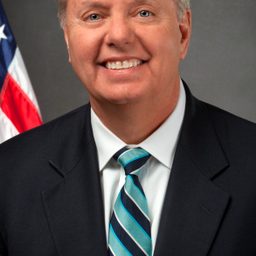 Sen. Graham, Lindsey (R-SC)
3 cosponsors
-
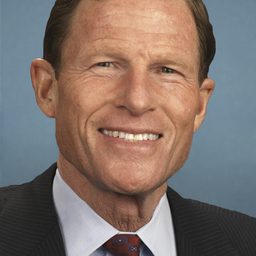 Sen. Blumenthal, Richard (D-CT)
-
 Sen. Blunt Rochester, Lisa (D-DE)
-
 Sen. Tillis, Thomas (R-NC)
Actions (2)
- Mar 13, 2025 Read twice and referred to the Committee on Finance. · senate
- Mar 13, 2025 Introduced in Senate
Full text
IN THE SENATE OF THE UNITED STATES
March 13, 2025
Mr. Graham (for himself and Mr. Blumenthal) introduced the following bill; which was read twice and referred to the Committee on Finance
A BILL
To amend the Internal Revenue Code of 1986 to extend the energy credit for qualified fuel cell property.
Be it enacted by the Senate and House of Representatives of the United States of America in Congress assembled,
SECTION 1. EXTENSION OF ENERGY CREDIT FOR QUALIFIED FUEL CELL PROPERTY.
(a) In General.—Section 48(c)(1)(E) of the Internal Revenue Code of 1986 is amended by striking “January 1, 2025” and inserting “January 1, 2033”.
(b) Effective Date.—The amendments made by this section shall apply to property the construction of which begins after December 31, 2024. <all>
Similar bills (6)
Bills with similar text or summary — includes reintroductions across Congresses. Ranked by semantic similarity of the bill text (computed locally); a neutral discovery aid, not a claim the bills are duplicates.
Comments