
HR 9000 Re-checks Congress.gov for new actions and updates the bill's status, and fills in any sponsors, committees, or related bills that are missing. It does not re-pull sponsors/cosponsors/committees/related — those rarely change — and it skips all work if nothing has changed upstream, so it's cheap to click.
Strengthening Collective Resources for Encouraging Education Needed for Type 1 Diabetes Act of 2026
SCREEN for Type 1 Diabetes Act of 2026
To amend the Public Health Service Act to provide for a public awareness campaign with respect to screening for type 1 diabetes, and for other purposes.
Summary
- Requires the Secretary of Health and Human Services, acting through the CDC, to carry out an evidence-based national campaign on type 1 diabetes detection, screening, and management for health care providers and the public.
- Requires the Secretary to keep a publicly accessible supply of written materials on early symptoms, screening availability and benefits, and resources for newly diagnosed individuals.
- Requires the Secretary to develop and issue public service announcements through media, public communications, and trusted figures, with culturally and linguistically tailored resources for communities with the largest recent increases in incidence.
- Authorizes grants or cooperative agreements with nonprofit entities to run the campaign, and with state, local, and Tribal public health departments to increase screening.
- Authorizes $5,000,000 per fiscal year for fiscal years 2027 through 2031, to remain available until expended.
- Requires the Secretary to submit a report to the Senate HELP and House Energy and Commerce committees within one year of enactment, assessing the campaign and its effect on type 1 diabetes detection, screening, and management.
AI-generated plain-language summary of the bill text — neutral, and may be imperfect. See the full text below for the exact wording.
Sponsor (1)
-
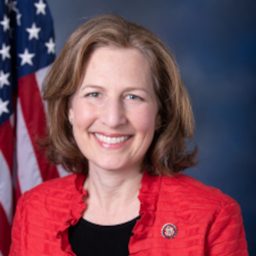 Rep. Schrier, Kim (D-WA) [#8]
20 cosponsors
-
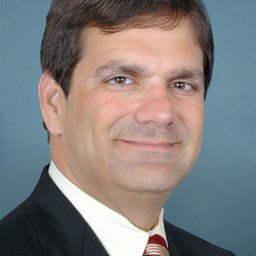 Rep. Bilirakis, Gus M. (R-FL) [#12]
-
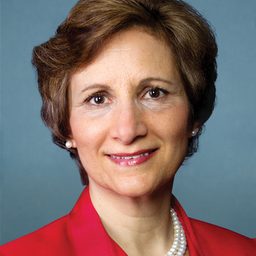 Rep. Bonamici, Suzanne (D-OR) [#1]
-
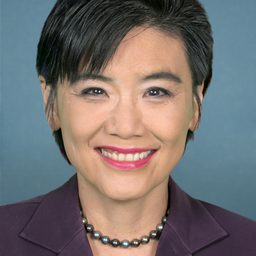 Rep. Chu, Judy (D-CA) [#28]
-
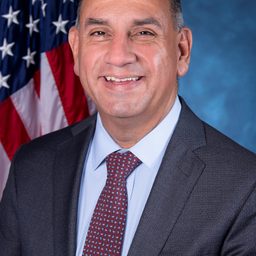 Rep. Cisneros, Gilbert Ray (D-CA) [#31]
-
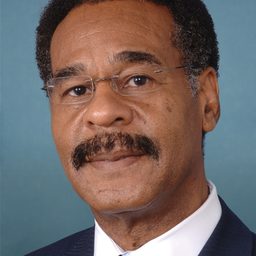 Rep. Cleaver, Emanuel (D-MO) [#5]
-
 Rep. Davids, Sharice (D-KS) [#3]
-
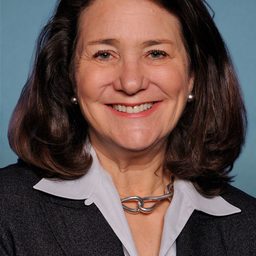 Rep. DeGette, Diana (D-CO) [#1]
-
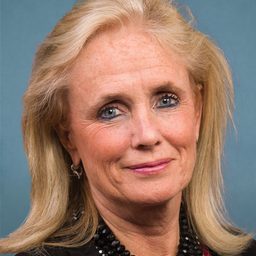 Rep. Dingell, Debbie (D-MI) [#6]
-
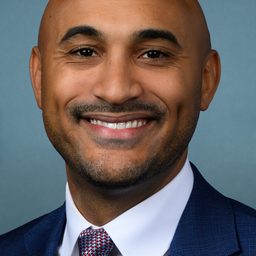 Rep. Figures, Shomari (D-AL) [#2]
-
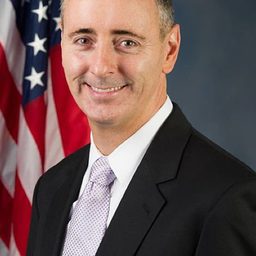 Rep. Fitzpatrick, Brian K. (R-PA) [#1]
-
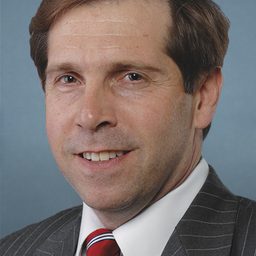 Rep. Fleischmann, Charles J. "Chuck" (R-TN) [#3]
-
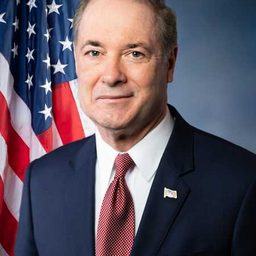 Rep. Joyce, John (R-PA) [#13]
-
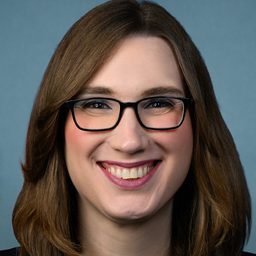 Rep. McBride, Sarah (D-DE) [At-large]
-
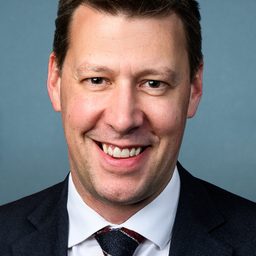 Rep. Riley, Josh (D-NY) [#19]
-
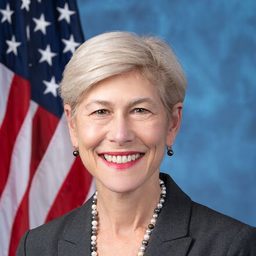 Rep. Ross, Deborah K. (D-NC) [#2]
-
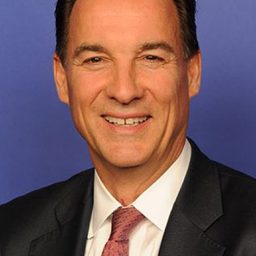 Rep. Suozzi, Thomas R. (D-NY) [#3]
-
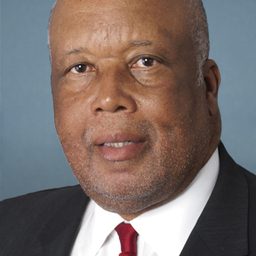 Rep. Thompson, Bennie G. (D-MS) [#2]
-
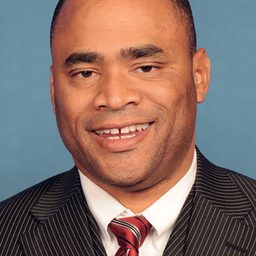 Rep. Veasey, Marc A. (D-TX) [#33]
-
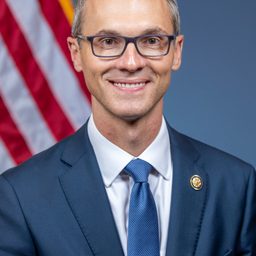 Rep. Walkinshaw, James R. (D-VA) [#11]
-
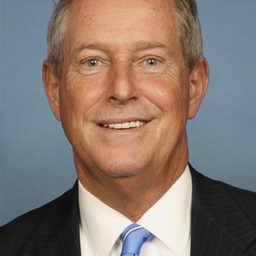 Rep. Wilson, Joe (R-SC) [#2]
Money behind the sponsor
Top reported contributors to Kim Schrier’s campaign committee (2024 cycle) — who funds the bill’s sponsor, not a claim about this bill. Data from FEC.
- UNIVERSITY OF WASHINGTON $71,027
- Employer not reported $55,267
- MICROSOFT $25,970
- MICROSOFT CORPORATION $24,615
- KAISER PERMANENTE $20,420
Organizations whose employees gave the most — itemized individual contributions grouped by the donor’s reported employer (FEC Schedule A). Full finance for Kim Schrier → · Outside spending →
Actions (2)
- May 21, 2026 Referred to the House Committee on Energy and Commerce. · house
- May 21, 2026 Introduced in House
Full text
IN THE HOUSE OF REPRESENTATIVES
May 21, 2026
Ms. Schrier (for herself, Mr. Joyce of Pennsylvania, Ms. DeGette, and Mr. Bilirakis) introduced the following bill; which was referred to the Committee on Energy and Commerce
A BILL
To amend the Public Health Service Act to provide for a public awareness campaign with respect to screening for type 1 diabetes, and for other purposes.
Be it enacted by the Senate and House of Representatives of the United States of America in Congress assembled,
SECTION 1. SHORT TITLE.
This Act may be cited as the “Strengthening Collective Resources for Encouraging Education Needed for Type 1 Diabetes Act of 2026” or the “SCREEN for Type 1 Diabetes Act of 2026”.
SEC. 2. TYPE 1 DIABETES SCREENING PUBLIC AWARENESS CAMPAIGN.
(a) In General.—Section 317H of the Public Health Service Act (42 U.S.C. 247b-9) is amended by striking subsection (c) and inserting the following:
“(c) Type 1 Diabetes Public Awareness Campaign.—
“(1) In general.—The Secretary, acting through the Director of the Centers for Disease Control and Prevention, shall carry out an evidence-based national campaign to increase awareness and knowledge of health care providers and the public with respect to type 1 diabetes detection, screening, and management.
“(2) Written materials.—In carrying out the national campaign under paragraph (1), the Secretary shall maintain a publicly accessible supply of written materials that provide information to the public relating to early detection and symptoms of type 1 diabetes, type 1 diabetes screening, and medically appropriate resources for type 1 diabetes, including information relating to—
“(A) early symptoms and warning signs of type 1 diabetes;
“(B) the availability of screening for type 1 diabetes;
“(C) the benefits of getting screened for type 1 diabetes;
“(D) training and education regarding medically appropriate resources for those newly diagnosed; and
“(E) such other information as the Secretary determines appropriate.
“(3) Public service announcements.—
“(A) In general.—In carrying out the national campaign under paragraph (1), the Secretary shall develop and issue public service announcements to provide education to the public on early detection and symptoms of type 1 diabetes and the importance of screening for type 1 diabetes.
“(B) Media.—The Secretary shall issue public service announcements under subparagraph (A) through—
“(i) media, including social media, television, radio, print, the internet, and other media;
“(ii) in-person or virtual public communications; and
“(iii) recognized trusted figures.
“(4) Consultation.—In carrying out the national campaign under paragraph (1), the Secretary shall consult with the National Academy of Medicine, health care provider associations, community health worker associations, nonprofit organizations, including nonprofit organizations that represent communities most impacted by type 1 diabetes, State, local, and Tribal public health departments, elementary and secondary school organizations, including student and parent organizations, and institutions of higher education, to solicit advice on evidence-based information for policy development and program development, implementation, and evaluation.
“(5) Requirements.—
“(A) In general.—The national campaign under paragraph (1) shall—
“(i) include the use of evidence-based information, provided through media and public engagement;
“(ii) include the development of culturally and linguistically competent resources that shall be tailored to—
“(I) communities with the largest significant increases in incidence of type 1 diabetes over the immediately preceding 5-year period; and
“(II) such other communities as the Secretary determines appropriate;
“(iii) include the dissemination of type 1 diabetes detection, screening, and management information and communication resources, including the information specified in subparagraphs (A) through (E) of paragraph (2), to—
“(I) health care providers and health care facilities, including primary care providers, community health centers, and pediatric health care providers and facilities;
“(II) State, local, and Tribal public health departments;
“(III) elementary and secondary schools; and
“(IV) institutions of higher education;
“(iv) be complementary to, and coordinated with, any other Federal efforts with respect to type 1 diabetes awareness and management; and
“(v) include message testing to identify culturally and linguistically competent and effective messages.
“(B) Grants to carry out campaign.—The Secretary shall carry out the national campaign under paragraph
(1) through grants to, or cooperative agreements with, 1 or more private, nonprofit entities with a history of developing and implementing similar campaigns.
“(C) Grants to increase screening.—In carrying out the national campaign under paragraph (1), the Secretary shall award grants to, or enter into cooperative agreements with, State, local, and Tribal public health departments—
“(i) to engage with communities described in subclauses (I) and (II) of subparagraph
(A)(ii), local educational agencies, health care providers, community organizations, or other groups the Secretary determines are appropriate to develop and deliver effective strategies to increase type 1 diabetes screening; and
“(ii) to disseminate culturally and linguistically competent resources on where an individual can access type 1 diabetes screenings locally.
“(6) Options for dissemination of information.—The national campaign under paragraph (1) may—
“(A) include the use of—
“(i) media, including social media, television, radio, print, the internet, and other media;
“(ii) in-person or virtual public communications; and
“(iii) recognized trusted figures; and
“(B) be targeted to the general public and communities described in subclauses (I) and (II) of paragraph (5)(A)(ii).
“(7) Definitions.—In this subsection—
“(A) the terms ‘elementary school’ and ‘secondary school’ have the meanings given such terms in section 8101 of the Elementary and Secondary Education Act of 1965;
“(B) the term ‘evidence-based’ means based on the best available evidence in scientific literature; and
“(C) the term ‘institution of higher education’ has the meaning given such term in section 101 of the Higher Education Act of 1965.
“(8) Authorization of appropriations.—There is authorized to be appropriated to carry out this subsection for each of fiscal years 2027 through 2031, $5,000,000, to remain available until expended.”.
(b) Report to Congress.—Not later than 1 year after the date of enactment of this Act, the Secretary of Health and Human Services shall submit to the Committee on Health, Education, Labor, and Pensions of the Senate and the Committee on Energy and Commerce of the House of Representatives a report—
(1) that contains a qualitative assessment of the campaign under subsection (c) of section 317H of the Public Health Service Act (42 U.S.C. 247b-9) and the activities conducted under such campaign; and
(2) on, with respect to the impact on type 1 diabetes detection, screening, and management, the activities conducted under such subsection (c). <all>
Text versions (1)
Bills are re-published as they move (Introduced → Reported → Engrossed → Enrolled …). Each stage below is a separate text; pick two to see what changed. Data from Congress.gov.
Similar bills (6)
Bills with similar text or summary — includes reintroductions across Congresses. Ranked by semantic similarity of the bill text (computed locally); a neutral discovery aid, not a claim the bills are duplicates.
Comments