
HR 7779 Re-checks Congress.gov for new actions and updates the bill's status, and fills in any sponsors, committees, or related bills that are missing. It does not re-pull sponsors/cosponsors/committees/related — those rarely change — and it skips all work if nothing has changed upstream, so it's cheap to click.
Harmonizing Environmental Analyses and Launching Therapeutic Hubs to Yield Bolstered Research And Innovation in Neurological Science Act of 2026
To amend the Public Health Service Act to require the Secretary of Health and Human Services to establish a program for the conduct and support of research, training, and health information dissemination with respect to environmental risk factors of neurodegenerative diseases, and for other purposes.
Summary
- Requires the Secretary of Health and Human Services to establish a program that funds research, training, and public health information on environmental risk factors, including toxicant exposures, for neurodegenerative diseases.
- Directs the research to focus on environmental toxicants such as volatile organic compounds, particulate matter, PFAS, and heavy metals, their biological effects on disease, presymptomatic markers, and prevention and treatment strategies.
- Requires the Secretary to coordinate across HHS programs to avoid duplication, and to submit a biennial report on findings to the Appropriations, Energy and Commerce, and HELP committees, which is posted publicly and included in the triennial report under section 403.
- Establishes Collaborative Centers for Neurodegenerative Disease Environmental Research at universities, medical centers, and other entities, each supported for up to five years and renewable for additional five-year periods after peer review.
- Permits the centers to offer training and stipends, provide continuing education and public information, build a national data system, and create an Environmental Contributions to Neurodegenerative Disease Information Clearinghouse.
- Authorizes $50 million for each of fiscal years 2027 through 2031 to carry out the program.
AI-generated plain-language summary of the bill text — neutral, and may be imperfect. See the full text below for the exact wording.
Sponsor (1)
-
 Rep. Subramanyam, Suhas (D-VA) [#10]
12 cosponsors
-
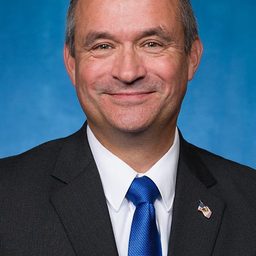 Rep. Bacon, Don (R-NE) [#2]
-
 Rep. Barragán, Nanette Diaz (D-CA) [#44]
-
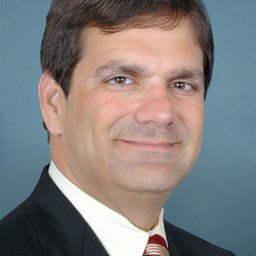 Rep. Bilirakis, Gus M. (R-FL) [#12]
-
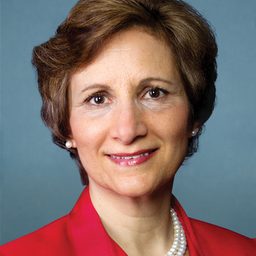 Rep. Bonamici, Suzanne (D-OR) [#1]
-
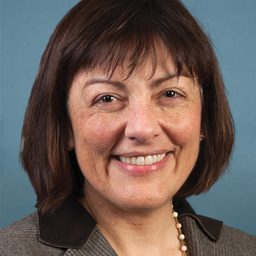 Rep. DelBene, Suzan K. (D-WA) [#1]
-
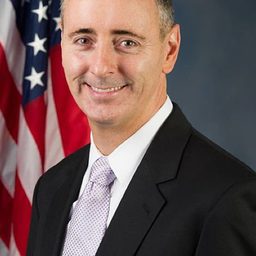 Rep. Fitzpatrick, Brian K. (R-PA) [#1]
-
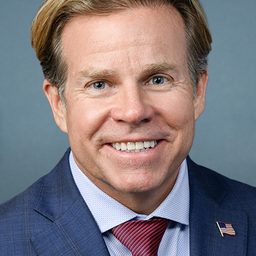 Rep. Haridopolos, Mike (R-FL) [#8]
-
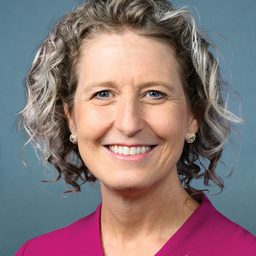 Rep. Kiggans, Jennifer A. (R-VA) [#2]
-
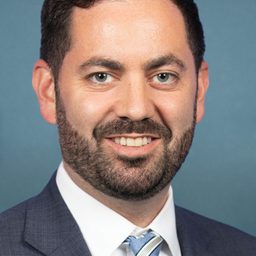 Rep. Lawler, Michael (R-NY) [#17]
-
 Rep. Leger Fernandez, Teresa (D-NM) [#3]
-
 Rep. McClellan, Jennifer L. (D-VA) [#4]
-
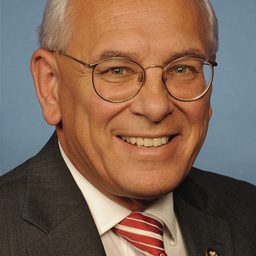 Rep. Tonko, Paul (D-NY) [#20]
Actions (2)
- Mar 3, 2026 Referred to the House Committee on Energy and Commerce. · house
- Mar 3, 2026 Introduced in House
Full text
IN THE HOUSE OF REPRESENTATIVES
March 3, 2026
Mr. Subramanyam (for himself and Mr. Bilirakis) introduced the following bill; which was referred to the Committee on Energy and Commerce
A BILL
To amend the Public Health Service Act to require the Secretary of Health and Human Services to establish a program for the conduct and support of research, training, and health information dissemination with respect to environmental risk factors of neurodegenerative diseases, and for other purposes.
Be it enacted by the Senate and House of Representatives of the United States of America in Congress assembled,
SECTION 1. SHORT TITLE.
This Act may be cited as the “Harmonizing Environmental Analyses and Launching Therapeutic Hubs to Yield Bolstered Research And Innovation in Neurological Science Act of 2026” or the “HEALTHY BRAINS Act of 2026”.
SEC. 2. RESEARCH INTO ENVIRONMENTAL RISK FACTORS THAT MAY CONTRIBUTE TO NEURODEGENERATIVE DISEASE.
Part B of title IV of the Public Health Service Act (42 U.S.C. 284 et seq.) is amended by adding at the end the following:
“SEC. 409K. NEURODEGENERATIVE DISEASE ENVIRONMENTAL RESEARCH.
“(a) In General.—The Secretary shall establish a program for the conduct and support of research, training, and health information dissemination with respect to environmental risk factors (including environmental toxicant exposures) of neurodegenerative diseases.
“(b) Scope of Research.—Research conducted or supported under this section shall—
“(1) be focused on—
“(A) potential environmental toxicants, including environmental stressors such as volatile organic compounds, particulate matter, per- and polyfluorinated substances, and heavy metals in environmental media such as air, water, food, and soil;
“(B) the mechanistic interactions of such toxicants with neurodegenerative disease outcomes;
“(C) the presymptomatic markers of neurodegenerative disease; and
“(D) advancing development of environmental health strategies to prevent, manage, treat, or slow the progression of neurodegenerative disease; and
“(2) may include research—
“(A) examining environmental exposures, including occupational risk factors, sociobehavioral factors, and social determinants of health;
“(B) using fundamental approaches to identify historical, existing, and emerging environmental risks and factors that affect disease progression;
“(C) examining multifactorial causation from chemical and nonchemical exposures;
“(D) examining prevalence of the disease in relation to the distribution of exposures across communities and populations;
“(E) examining the expression of disease traits that result from the interplay of genes and environment; and
“(F) exploring physiological mechanisms driving neurodegeneration from toxicant exposures.
“(c) Coordination Within HHS.—
“(1) In general.—In carrying out the program under subsection (a), the Secretary shall—
“(A) provide for coordination across the programs and activities of the Department of Health and Human Services to avoid duplication; and
“(B) expand the funding of environmental health research by leading an ongoing, coordinated, and focused effort to fund new and existing centers for the study and evaluation of environmental risk factors (including environmental toxicants) of neurodegenerative diseases.
“(2) Biennial report.—In carrying out paragraph (1), the Secretary shall—
“(A) submit a biennial report detailing the findings and conclusions of research under this section to—
“(i) the Committees on Appropriations of the House of Representatives and the Senate;
“(ii) the Committee on Energy and Commerce of the House of Representatives; and
“(iii) the Committee on Health, Education, Labor, and Pensions of the Senate;
“(B) post each report under subparagraph (A) on the public website of the Department of Health and Human Services; and
“(C) include the information reported pursuant to subparagraph (A) in the triennial report under section 403.
“(d) Collaborative Centers for Neurodegenerative Disease Environmental Research.—
“(1) In general.—In carrying out the program under subsection (a), the Secretary shall provide for the establishment of research centers, to be known as Collaborative Centers for Neurodegenerative Disease Environmental Research (in this section each referred to as a ‘Collaborative Center’) at institutions of higher education, medical centers, and other appropriate entities.
“(2) Requirements.—With respect to neurodegenerative disease, each Collaborative Center shall—
“(A) conduct and support basic, applied, and clinical research on the effects of environmental risk factors (including environmental toxicants), including with respect to disease progression;
“(B) use the facilities of a single institution or a consortium of cooperating institutions to administer the Collaborative Centers and meet such qualifications as may be prescribed by the Secretary;
“(C) be anchored in population-based, environmental health research;
“(D) conduct interdisciplinary and collaborative research that spans basic, applies, population-based, or clinical research;
“(E) coordinate with existing intramural and extramural efforts of the Department of Health and Human Services; and
“(F) collaborate with relevant partners and stakeholders, including researchers, health professionals, nonprofit organizations, patients, and caregivers, to understand the effects of environmental risk factors (including environmental toxicants) of neurodegenerative disease and progression thereof.
“(3) Discretionary activities.—With respect to neurodegenerative diseases, each Collaborative Center may—
“(A) provide career enhancement and training opportunities for scientists, researchers, environmental professionals, and health professionals, including through the provision of stipends;
“(B) conduct programs to provide information and continuing education to health professionals, including through the provision of stipends;
“(C) conduct programs for the dissemination of information to the public regarding research findings and proposed prevention strategies when appropriate;
“(D) separately or in collaboration with other Collaborative Centers or governmental agencies, establish a nationwide data system that—
“(i) includes data derived from comprehensive and representative patient populations with neurodegenerative diseases; and
“(ii) where possible, compares relevant data involving general populations;
“(E) separately or in collaboration with other Collaborative Centers, establish a clearinghouse, to be known as the Environmental Contributions to Neurodegenerative Disease Information Clearinghouse, to facilitate and enhance knowledge and understanding of environmental risk factors of neurodegenerative diseases; and
“(F) separately or in collaboration with other Collaborative Centers, establish a national education program that fosters a national focus on environmental risk factors of neurodegenerative diseases.
“(4) Duration of support.—The period of support for a Collaborative Center under this section shall not exceed 5 years, except that such period may be extended by the Secretary for one or more additional periods of not more than 5 years if—
“(A) the operations of such Collaborative Center have been reviewed by an appropriate technical and scientific peer review group established by the Secretary; and
“(B) such group has recommended to the Secretary that such period should be extended.
“(e) Authorization of Appropriations.—To carry out this section, there is authorized to be appropriated $50,000,000 for each of fiscal years 2027 through 2031.”. <all>
Comments