
HR 3505 Re-checks Congress.gov for new actions and updates the bill's status, and fills in any sponsors, committees, or related bills that are missing. It does not re-pull sponsors/cosponsors/committees/related — those rarely change — and it skips all work if nothing has changed upstream, so it's cheap to click.
Barriers to Suicide Act of 2025
To direct the Secretary of Transportation to establish a grant program to facilitate the installation, on certain infrastructure, of evidence- based suicide deterrents, including suicide prevention nets and barriers, and for other purposes.
Summary
- Directs the Secretary of Transportation to establish, within 1 year of enactment, a competitive grant program for installing evidence-based suicide deterrents, such as suicide prevention nets and barriers, at covered locations.
- Defines covered locations as bridges, buildings, parking garages, highway-rail grade crossings, and rail stations, and gives priority to projects in areas with high suicide rates.
- Allows grants to states, political subdivisions of states, and other entities the Secretary determines to be eligible, with a federal share capped at 80 percent of project costs.
- Authorizes appropriations of $10,000,000 for each of fiscal years 2026 through 2030 to carry out the grant program.
- Amends Title 23 of the United States Code to include installation of safety barriers and nets on bridges of the National Highway System among eligible uses of funds.
- Directs the Comptroller General to study structures other than bridges that attract suicide-by-jumping and the effectiveness, costs, and installers of nets, barriers, and other methods, and to report to specified House and Senate committees within 1 year.
AI-generated plain-language summary of the bill text — neutral, and may be imperfect. See the full text below for the exact wording.
Sponsor (1)
-
 Rep. Beyer, Donald S. (D-VA) [#8]
45 cosponsors
-
 Del. Norton, Eleanor Holmes (D-DC) [At-large]
-
 Rep. Amo, Gabe (D-RI) [#1]
-
 Rep. Bell, Wesley (D-MO) [#1]
-
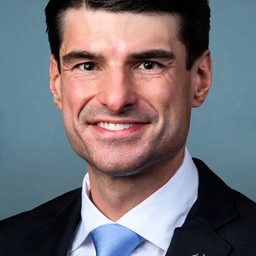 Rep. Bresnahan, Robert P. (R-PA) [#8]
-
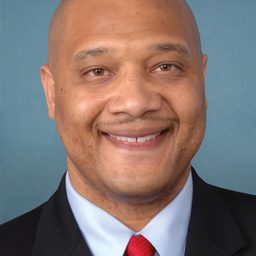 Rep. Carson, André (D-IN) [#7]
-
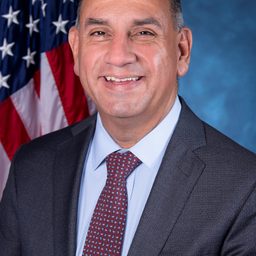 Rep. Cisneros, Gilbert Ray (D-CA) [#31]
-
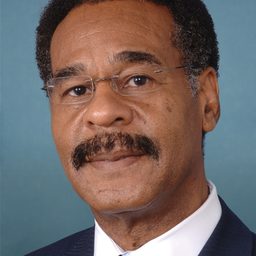 Rep. Cleaver, Emanuel (D-MO) [#5]
-
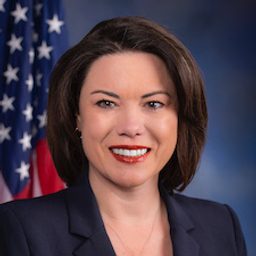 Rep. Craig, Angie (D-MN) [#2]
-
 Rep. Davids, Sharice (D-KS) [#3]
-
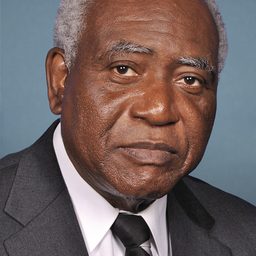 Rep. Davis, Danny K. (D-IL) [#7]
-
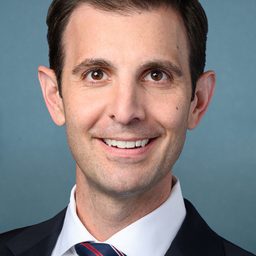 Rep. Deluzio, Christopher R. (D-PA) [#17]
-
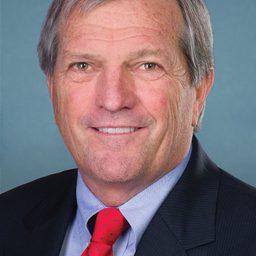 Rep. DeSaulnier, Mark (D-CA) [#10]
-
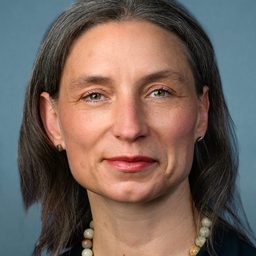 Rep. Dexter, Maxine (D-OR) [#3]
-
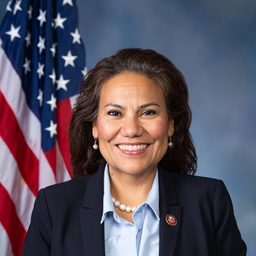 Rep. Escobar, Veronica (D-TX) [#16]
-
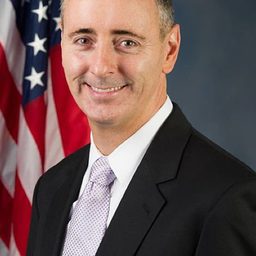 Rep. Fitzpatrick, Brian K. (R-PA) [#1]
-
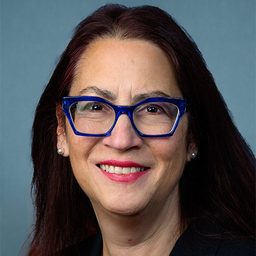 Rep. Friedman, Laura (D-CA) [#30]
-
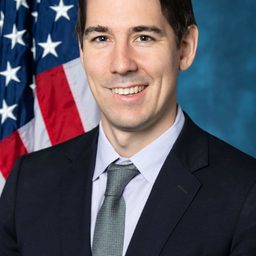 Rep. Harder, Josh (D-CA) [#9]
-
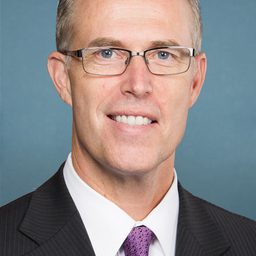 Rep. Huffman, Jared (D-CA) [#2]
-
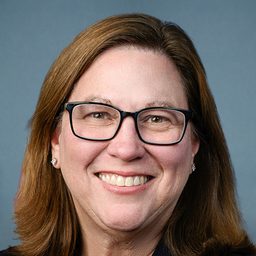 Rep. Johnson, Julie (D-TX) [#32]
-
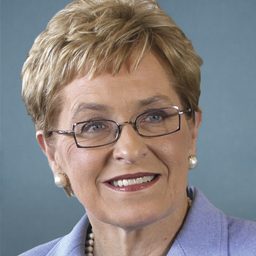 Rep. Kaptur, Marcy (D-OH) [#9]
-
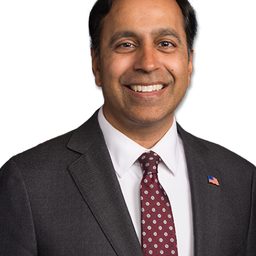 Rep. Krishnamoorthi, Raja (D-IL) [#8]
-
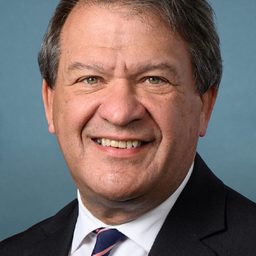 Rep. Latimer, George (D-NY) [#16]
-
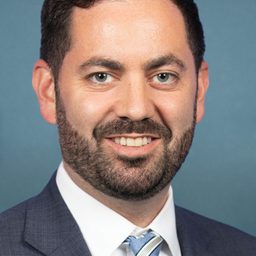 Rep. Lawler, Michael (R-NY) [#17]
-
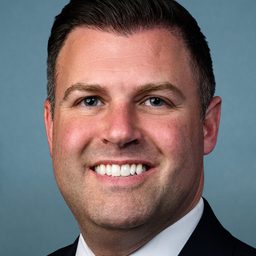 Rep. Mackenzie, Ryan (R-PA) [#7]
-
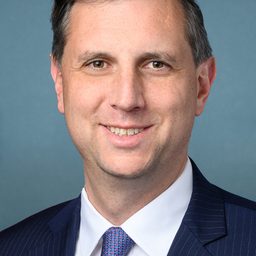 Rep. Magaziner, Seth (D-RI) [#2]
-
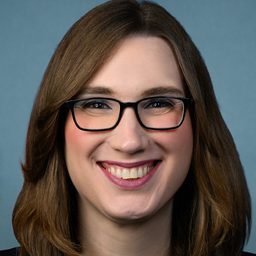 Rep. McBride, Sarah (D-DE) [At-large]
-
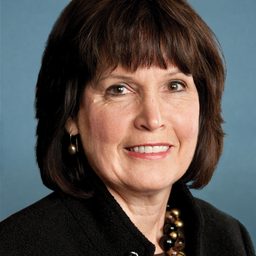 Rep. McCollum, Betty (D-MN) [#4]
-
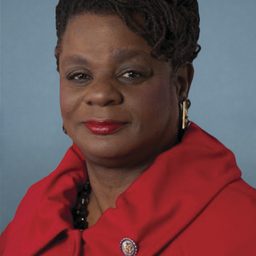 Rep. Moore, Gwen (D-WI) [#4]
-
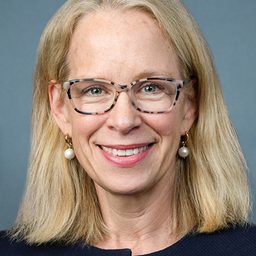 Rep. Morrison, Kelly (D-MN) [#3]
-
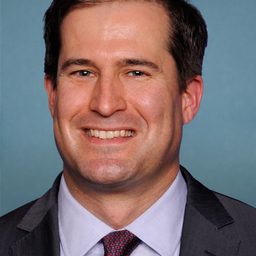 Rep. Moulton, Seth (D-MA) [#6]
-
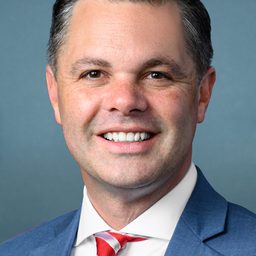 Rep. Nunn, Zachary (R-IA) [#3]
-
 Rep. Omar, Ilhan (D-MN) [#5]
-
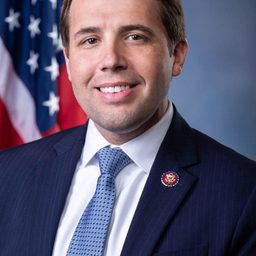 Rep. Pappas, Chris (D-NH) [#1]
-
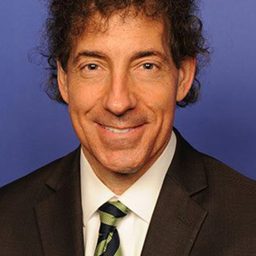 Rep. Raskin, Jamie (D-MD) [#8]
-
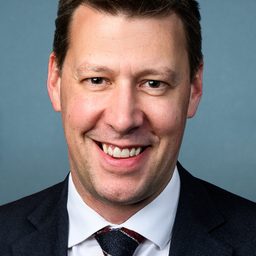 Rep. Riley, Josh (D-NY) [#19]
-
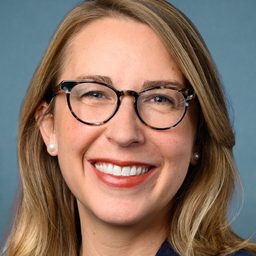 Rep. Scholten, Hillary J. (D-MI) [#3]
-
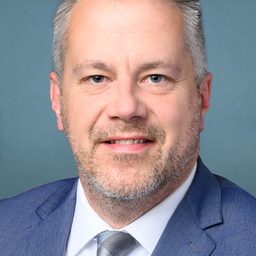 Rep. Sorensen, Eric (D-IL) [#17]
-
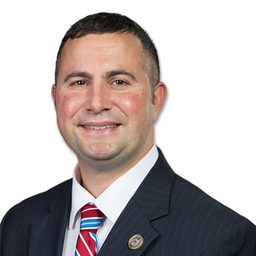 Rep. Soto, Darren (D-FL) [#9]
-
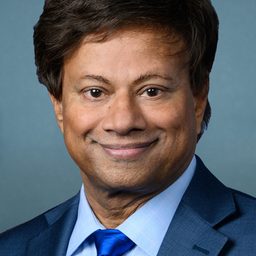 Rep. Thanedar, Shri (D-MI) [#13]
-
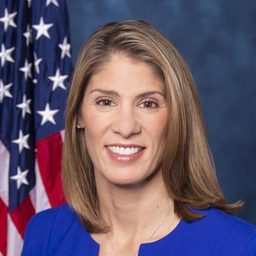 Rep. Trahan, Lori (D-MA) [#3]
-
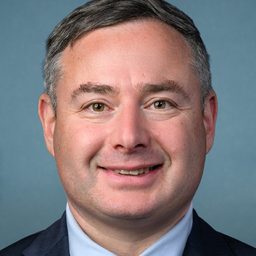 Rep. Vindman, Eugene Simon (D-VA) [#7]
-
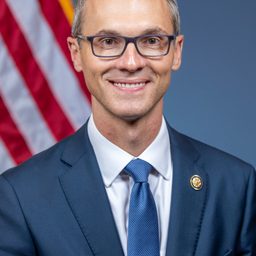 Rep. Walkinshaw, James R. (D-VA) [#11]
-
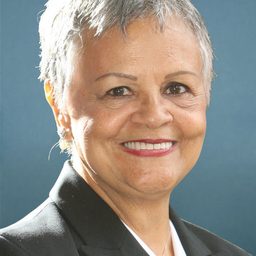 Rep. Watson Coleman, Bonnie (D-NJ) [#12]
-
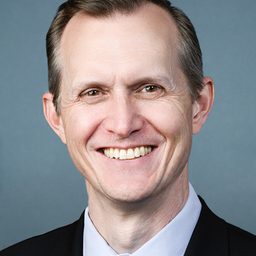 Rep. Whitesides, George (D-CA) [#27]
-
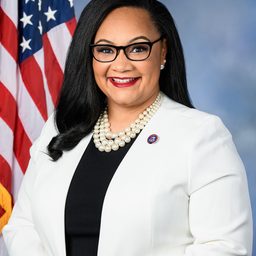 Rep. Williams, Nikema (D-GA) [#5]
Money behind the sponsor
Top reported contributors to Donald S. Beyer’s campaign committee (2024 cycle) — who funds the bill’s sponsor, not a claim about this bill. Data from FEC.
- Employer not reported $11,950
- AKIN GUMP STRAUSS HAUER & FELD LLP $8,500
- BURKE & HERBERT BANK $6,600
- WESTON FAMILY FOUNDATION $6,600
- IRSFELD & ASSOCIATES LLC $6,600
Organizations whose employees gave the most — itemized individual contributions grouped by the donor’s reported employer (FEC Schedule A). Full finance for Donald S. Beyer → · Outside spending →
Actions (2)
- May 20, 2025 Referred to the House Committee on Transportation and Infrastructure. · house
- May 20, 2025 Introduced in House
Full text
IN THE HOUSE OF REPRESENTATIVES
May 20, 2025
Mr. Beyer (for himself, Mr. Fitzpatrick, Mr. Moulton, Mrs. Watson Coleman, Mr. Thanedar, Mrs. Trahan, Ms. Kaptur, Ms. Moore of Wisconsin, Mr. Carson, Mr. Raskin, Ms. Davids of Kansas, and Ms. McCollum) introduced the following bill; which was referred to the Committee on Transportation and Infrastructure
A BILL
To direct the Secretary of Transportation to establish a grant program to facilitate the installation, on certain infrastructure, of evidence- based suicide deterrents, including suicide prevention nets and barriers, and for other purposes.
Be it enacted by the Senate and House of Representatives of the United States of America in Congress assembled,
SECTION 1. SHORT TITLE.
This Act may be cited as the “Barriers to Suicide Act of 2025”.
SEC. 2. GRANT PROGRAM.
(a) In General.—Not later than 1 year after the date of the enactment of this Act, the Secretary of Transportation shall establish a program (in this section referred to as the “Program”) to facilitate the installation of evidence-based suicide deterrents, including suicide prevention nets and barriers, on or at a covered location.
(b) Grant Authority.—In carrying out the Program, the Secretary may make grants on a competitive basis in accordance with this section.
(c) Eligible Recipients.—The Secretary may make a grant under the Program to—
(1) a State or a political subdivision of a State; and
(2) any other entity the Secretary determines to be eligible.
(d) Applications.—To be eligible for a grant under the Program, an entity described in subsection (c) shall submit to the Secretary an application in such form, at such time, and containing such information as the Secretary determines appropriate.
(e) Eligible Projects.—The Secretary may make a grant under the Program only for a project that facilitates the installation on or at a covered location of—
(1) a suicide prevention net;
(2) a suicide prevention barrier; or
(3) any other evidence-based suicide deterrent that is determined by the Secretary to be appropriate.
(f) Priority.—In making a grant under the Program, the Secretary shall give priority to a project located in an area with a high rate of suicide, taking into consideration the number of suicides and rate of suicides per capita in an area, or other priority characteristics, as determined by the Secretary.
(g) Federal Share.—The Federal share of the cost of a project assisted with a grant under the Program may not exceed 80 percent.
(h) Definitions.—In this section:
(1) Covered location.—The term “covered location” means—
(A) a bridge;
(B) building;
(C) parking garage;
(D) a highway-rail grade crossing; and
(E) a rail station.
(2) Evidence-based suicide deterrent.—The term “evidence- based suicide deterrent” means a suicide deterrent that demonstrates a rationale based on high-quality research findings or positive evaluation that such deterrent is likely to reduce or prevent suicide, and includes ongoing efforts to examine the effects of such deterrent.
(3) State.—The term “State” means each State of the United States, the District of Columbia, each commonwealth, territory, or possession of the United States, and each federally recognized Indian Tribe.
(i) Authorization of Appropriations.—There is authorized to be appropriated to carry out the Program $10,000,000 for each of fiscal years 2026 through 2030.
SEC. 3. TITLE 23 AMENDMENT.
Section 119(d)(2)(I) of title 23, United States Code, is amended by striking “Highway System.” and adding “Highway System, including installation of safety barriers and nets on bridges of the National Highway System.”.
SEC. 4. STUDY ON EFFECTIVENESS OF SUICIDE PREVENTION NETS AND BARRIERS FOR STRUCTURES OTHER THAN BRIDGES.
(a) Study.—The Comptroller General of the United States shall conduct a study to identify—
(1) the types of structures, other than bridges, that attract a high number of individuals attempting suicide-by- jumping;
(2) the characteristics that distinguish structures identified under paragraph (1) from similar structures that do not attract a high number of individuals attempting suicide-by- jumping;
(3) the types of nets or barriers, including manufactured and natural barriers, that are effective at reducing suicide- by-jumping with respect to the structures identified under paragraph (1);
(4) methods of reducing suicide-by-jumping with respect to the structures identified under paragraph (1) other than nets and barriers;
(5) quantitative measures of the effectiveness of the nets and barriers identified under paragraph (3);
(6) quantitative measures of the effectiveness of the additional methods identified under paragraph (4);
(7) the entities that typically install the nets and barriers identified under paragraph (3); and
(8) the costs of the nets and barriers identified under paragraph (3).
(b) Report.—Not later than 1 year after the date of the enactment of this Act, the Comptroller General shall submit to the Committee on Transportation and Infrastructure and the Committee on Energy and Commerce of the House of Representatives and the Committee on Health, Education, Labor, and Pensions and the Committee on Commerce, Science, and Transportation of the Senate a report on the results of the study conducted under subsection (a). <all>
Text versions (1)
Bills are re-published as they move (Introduced → Reported → Engrossed → Enrolled …). Each stage below is a separate text; pick two to see what changed. Data from Congress.gov.
Similar bills (6)
Bills with similar text or summary — includes reintroductions across Congresses. Ranked by semantic similarity of the bill text (computed locally); a neutral discovery aid, not a claim the bills are duplicates.
Comments