
HR 286 Re-checks Congress.gov for new actions and updates the bill's status, and fills in any sponsors, committees, or related bills that are missing. It does not re-pull sponsors/cosponsors/committees/related — those rarely change — and it skips all work if nothing has changed upstream, so it's cheap to click.
Preserving Safe Communities by Ending Swatting Act of 2025
To amend title 18, United States Code, to penalize false communications to cause an emergency response, and for other purposes.
Summary
- Increases criminal penalties for making false communications to cause emergency responses, with penalties of up to 5 years imprisonment, up to 20 years if serious bodily injury results, and up to life imprisonment if death results.
- Makes individuals liable in civil actions to recover emergency response costs incurred as a result of false communications causing emergency responses.
- Defines "emergency response" to include deployment of personnel, evacuation orders, and warnings by public safety agencies and fire or rescue organizations.
AI-generated plain-language summary of the bill text — neutral, and may be imperfect. See the full text below for the exact wording.
Sponsor (1)
-
 Rep. Kustoff, David (R-TN) [#8]
28 cosponsors
-
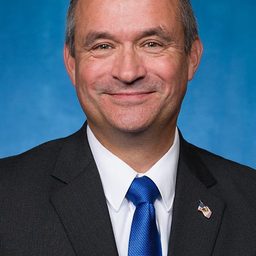 Rep. Bacon, Don (R-NE) [#2]
-
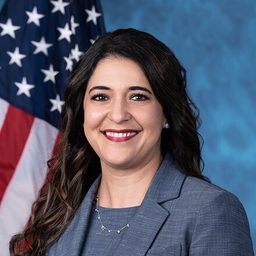 Rep. Bice, Stephanie I. (R-OK) [#5]
-
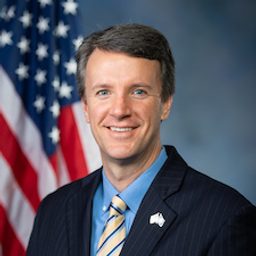 Rep. Cline, Ben (R-VA) [#6]
-
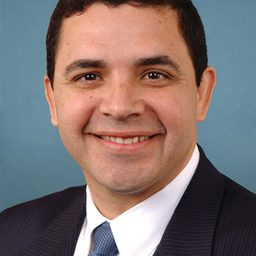 Rep. Cuellar, Henry (D-TX) [#28]
-
 Rep. Ezell, Mike (R-MS) [#4]
-
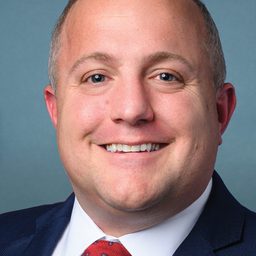 Rep. Fry, Russell (R-SC) [#7]
-
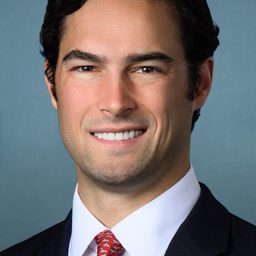 Rep. Gill, Brandon (R-TX) [#26]
-
 Rep. Gillen, Laura (D-NY) [#4]
-
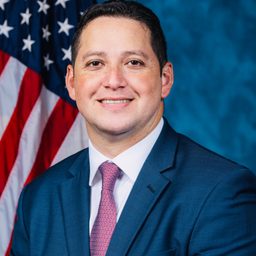 Rep. Gonzales, Tony (R-TX) [#23]
-
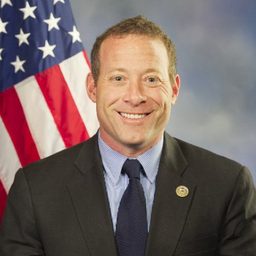 Rep. Gottheimer, Josh (D-NJ) [#5]
-
 Rep. Hageman, Harriet M. (R-WY) [At-large]
-
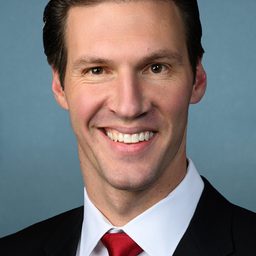 Rep. Harrigan, Pat (R-NC) [#10]
-
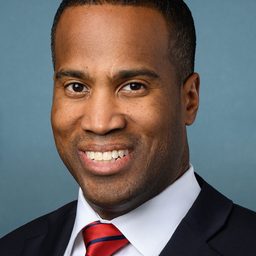 Rep. James, John (R-MI) [#10]
-
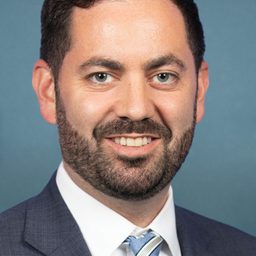 Rep. Lawler, Michael (R-NY) [#17]
-
 Rep. Lee, Laurel M. (R-FL) [#15]
-
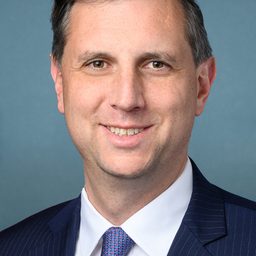 Rep. Magaziner, Seth (D-RI) [#2]
-
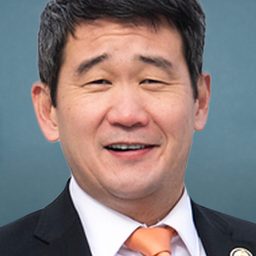 Rep. Min, Dave (D-CA) [#47]
-
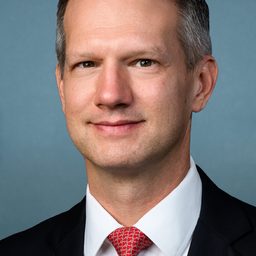 Rep. Moore, Riley (R-WV) [#2]
-
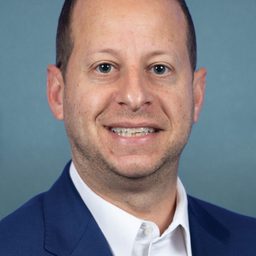 Rep. Moskowitz, Jared (D-FL) [#23]
-
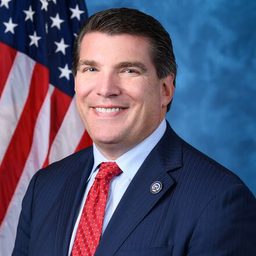 Rep. Obernolte, Jay (R-CA) [#23]
-
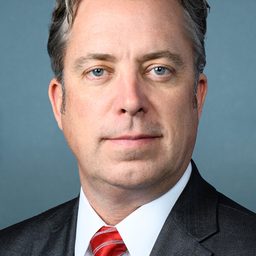 Rep. Ogles, Andrew (R-TN) [#5]
-
 Rep. Panetta, Jimmy (D-CA) [#19]
-
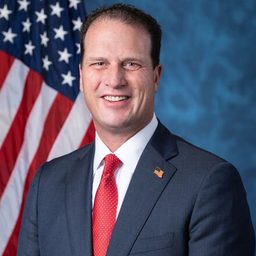 Rep. Pfluger, August (R-TX) [#11]
-
 Rep. Rutherford, John H. (R-FL) [#5]
-
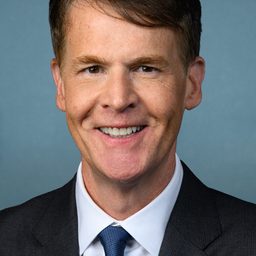 Rep. Shreve, Jefferson (R-IN) [#6]
-
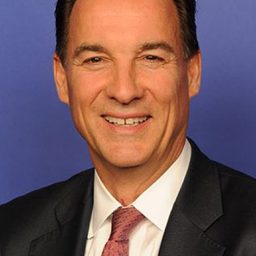 Rep. Suozzi, Thomas R. (D-NY) [#3]
-
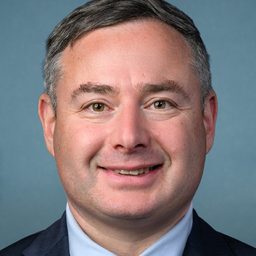 Rep. Vindman, Eugene (D-VA) [#7]
-
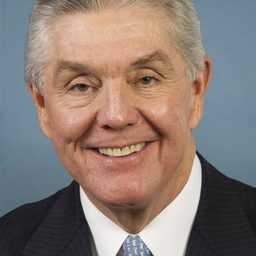 Rep. Williams, Roger (R-TX) [#25]
Money behind the sponsor
Top reported contributors to David Kustoff’s campaign committee (2024 cycle) — who funds the bill’s sponsor, not a claim about this bill. Data from FEC.
- BLACKSTONE $35,000
- APOLLO GLOBAL MANAGEMENT $24,400
- UROLOGY OF INDIANA $14,400
- TOWER VENTURES $14,200
- MID-AMERICA APARTMENT COMMUNITIES INC. $13,200
Organizations whose employees gave the most — itemized individual contributions grouped by the donor’s reported employer (FEC Schedule A). Full finance for David Kustoff → · Outside spending →
Actions (2)
- Jan 9, 2025 Referred to the House Committee on the Judiciary. · house
- Jan 9, 2025 Introduced in House
Full text
IN THE HOUSE OF REPRESENTATIVES
January 9, 2025
Mr. Kustoff (for himself, Mr. Rutherford, Mr. Moskowitz, Mr. Cuellar, Mr. Magaziner, Mr. Gottheimer, Mr. Ezell, and Ms. Lee of Florida) introduced the following bill; which was referred to the Committee on the Judiciary
A BILL
To amend title 18, United States Code, to penalize false communications to cause an emergency response, and for other purposes.
Be it enacted by the Senate and House of Representatives of the United States of America in Congress assembled,
SECTION 1. SHORT TITLE.
This Act may be cited as the “Preserving Safe Communities by Ending Swatting Act of 2025”.
SEC. 2. FALSE COMMUNICATIONS TO CAUSE AN EMERGENCY RESPONSE.
Section 1038 of title 18, United States Code, is amended—
(1) in subsection (a)(1), to read as follows:
“(1) In general.—Whoever engages in any conduct with intent to convey false or misleading information—
“(A) under circumstances where such information may reasonably be believed and where such information indicates that an activity has taken, is taking, or will take place that would constitute a violation of chapter 2, 10, 11B, 39, 40, 44, 111, or 113B of this title, section 236 of the Atomic Energy Act of 1954 (42 U.S.C. 2284), or section 46502, the second sentence of section 46504, section 46505(b)(3) or (c), section 46506 if homicide or attempted homicide is involved, or section 60123(b) of title 49; or
“(B) using the mail or any facility or means of interstate or foreign commerce, under circumstances where such information may reasonably be expected to cause an emergency response and the information indicates that conduct has taken, is taking, or will take place that constitutes a crime under State or Federal law or endangers public health or safety or the health or safety of any person, shall be fined under this title or imprisoned not more than 5 years, or both. If serious bodily injury results, the defendant shall be fined under this title or imprisoned not more than 20 years, or both, and if death results, the defendant shall be fined under this title or imprisoned for any number of years up to life, or both.”;
(2) in subsection (b), to read as follows:
“(b) Civil Action.—Whoever engages in any conduct with intent to convey false or misleading information—
“(1) under circumstances where such information may reasonably be believed and where such information indicates that an activity has taken, is taking, or will take place that would constitute a violation of chapter 2, 10, 11B, 39, 40, 44, 111, or 113B of this title, section 236 of the Atomic Energy Act of 1954 (42 U.S.C. 2284), or section 46502, the second sentence of section 46504, section 46505 (b)(3) or (c), section 46506 if homicide or attempted homicide is involved, or section 60123(b) of title 49; or
“(2) using the mail or any facility or means of interstate or foreign commerce, under circumstances where such information may reasonably be expected to cause an emergency response and the information indicates that conduct has taken, is taking, or will take place that constitutes a crime under State or Federal law or endangers public health or safety or the health or safety of any person, is liable in a civil action to any party incurring expenses incident to any emergency or investigative response to that conduct, for those expenses.”; and
(3) by adding at the end the following:
“(e) Definition.—In this section, the term ‘emergency response’ means any deployment of personnel or equipment, order or advice to evacuate, or issuance of a warning to the public or a threatened person, organization, or establishment, by an agency of the United States or a State charged with public safety functions, including any agency charged with detecting, preventing, or investigating crimes or with fire or rescue functions, or by a private not-for-profit organization that provides fire or rescue functions.”. <all>
Text versions (1)
Bills are re-published as they move (Introduced → Reported → Engrossed → Enrolled …). Each stage below is a separate text; pick two to see what changed. Data from Congress.gov.
More bills on these subjects (8)
Other bills that carry the most legislative subjects in common with this one (topical discovery — distinct from the procedural related bills above).
Similar bills (6)
Bills with similar text or summary — includes reintroductions across Congresses. Ranked by semantic similarity of the bill text (computed locally); a neutral discovery aid, not a claim the bills are duplicates.
Comments